Newborn Essentials I Actually Used (and 12 I Returned)
The short list that got us through the first twelve weeks, and the gear that went back in the box.
Before my first was born I bought everything on a 140-item registry. By week twelve, about a third of it was still in the box. This is the list I'd give my sister: the gear that got used every single day, and the gear that went back.
The rule I should have used
A registry is mostly an exercise in imagining a baby you have not met. You picture long calm days and an organised nursery, and you buy for that baby. Then a real one arrives who feeds every two hours, hates being undressed, and has opinions about a specific brand of dummy.
The rule I would use now: buy for the first six weeks, not the first year. Almost everything that went back was bought for a version of my life that showed up much later, or never. Six weeks of gear is a short shopping list, and it is far easier to add things at 10pm from the sofa than to return a cot mattress.
The second rule: buy one of the thing before you buy six. The only exceptions are burp cloths and sleepers, which you cannot have too many of because both are in the wash constantly.
What the keepers had in common
Almost nothing that survived the first six weeks needed me to read instructions in the dark. A zip-up sleep sack takes one hand and four seconds at 3am. A white noise machine is one button. Burp cloths are a cloth. Everything in the list below is a variation on that same idea.
The test I would apply to anything on a registry: could I use this at 3am, one-handed, without turning on a light? If not, it is an upgrade at best and a return at worst.
Four reasons things went back
Almost everything on the return pile fell into one of four groups. Recognising the groups is more useful than memorising the list below, because you will be tempted by new versions of all of them.
Solved a problem we did not have. The wipe warmer is the clearest example — a cold wipe is not a problem a newborn has ever registered. Same with the baby bathrobe, which is a garment for a person who does not regulate their own temperature and is wet for ninety seconds. Same with the bottle steriliser, because the dishwasher already does it and the steriliser is a large object that has to live somewhere.
Required a skill or a phase we were not in. The bottle prep machine is a machine that needs cleaning, descaling and its own instructions, and it arrives at the point where you have the least capacity to learn anything. The fancy nappy pail is in this group too — it needs bags, a twist mechanism and a foot pedal, versus a lidded bin that costs nothing.
Bought in the wrong quantity. Bulk newborn nappies are the classic. Newborns are in newborn size for roughly two weeks, and then they are not, and you own 200 of them. Buy one pack, then buy more of whatever actually fits.
Bought for a baby who was never going to be that size. The newborn shoes and the baby jeans are the same joke twice: they are for photographs of a person who cannot walk and who will wear them once. Waistbands on a newborn are a design flaw.
The two that should never have been on the registry
The crib bumper and the mobile with thirty songs are not just useless, they are the two I would actively tell someone to skip, because one is a safety problem and the other is a sleep problem.
Bumpers are a suffocation and strangulation risk and are not recommended for any cot, at any age — the fact that they are still sold and still appear on nursery inspiration pages is genuinely strange once you know. If someone gifts you one, it goes back, and you do not need to feel awkward about the reason.
The thirty-song mobile is a sleep problem in the specific sense that it teaches a baby to need the song to stay asleep, and then you are the person who has to go in and restart it. Anything that has to keep running for the baby to stay asleep is a thing you now own the maintenance of. White noise is the exception because it runs all night without you.
What I would buy first, in order
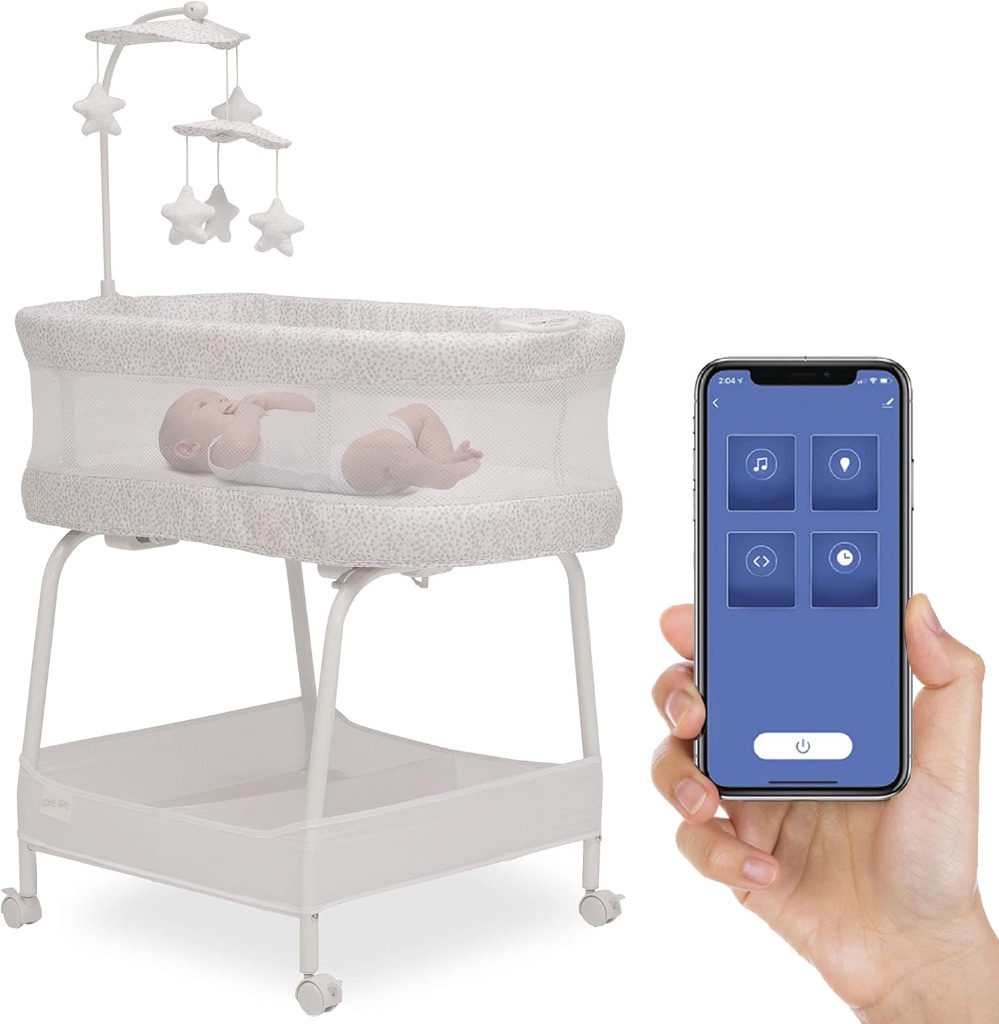
A safe place for the baby to sleep — a bedside bassinet or a cot that meets current safety standards, with a firm flat mattress and a fitted sheet, and nothing else in it. Then the sleep sacks in two sizes. Then sleepers, six of them, zip-front. Then a lot of burp cloths.
After that: white noise, a changing pad you can carry, a soft structured carrier, and a thermometer. Those are the eight things that cover the first six weeks. Everything else on this page is an upgrade on one of them, and upgrades are much easier to choose once you know what your actual baby is like.
What we actually used · 12 things
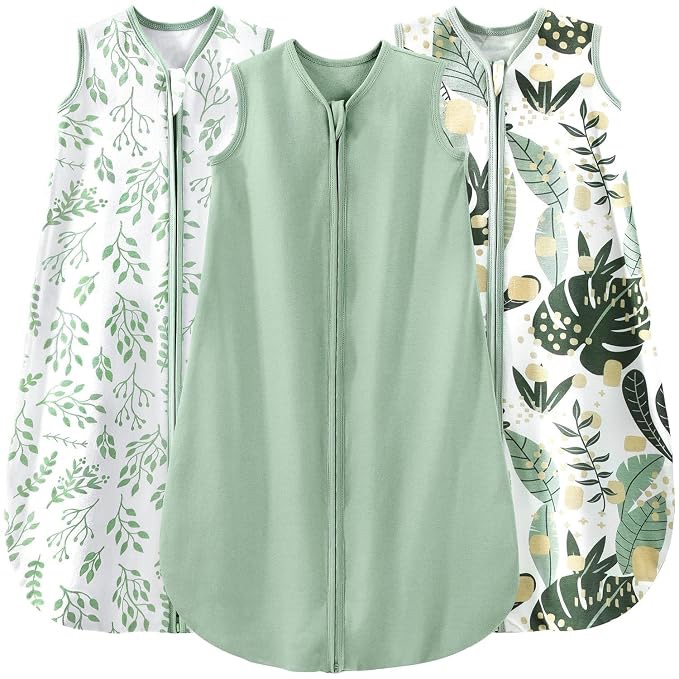
Zip-up sleep sack
Best overallNo velcro to wake anyone up at 2am. The two-way zip means diaper changes without unzipping everything.
Bought four. Used all four, every night.
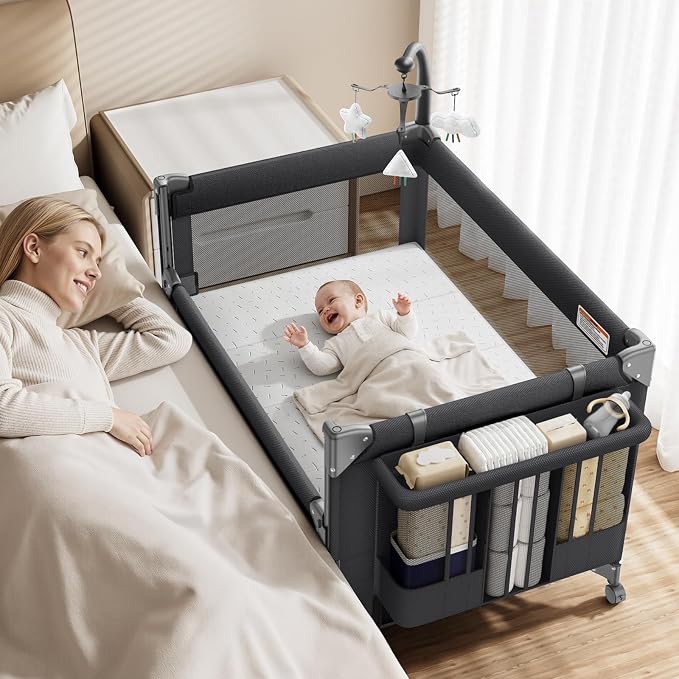
Bedside bassinet
Best for night feedsThe side lowers so baby sits level with your bed. After a C-section, not having to get up made a real difference.
The one thing I'd buy again first.
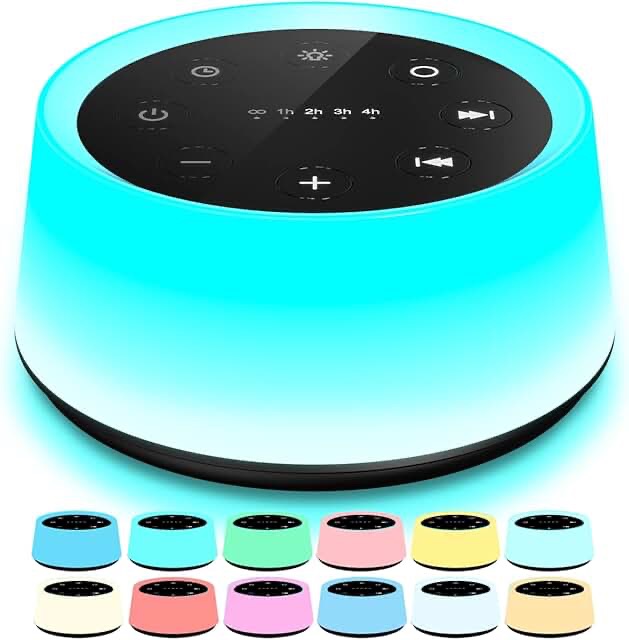
White noise machine
Best budget pickOur older one sounded like a hairdryer. This one has a real low hum and a night light you can dim.
Still running two years later.
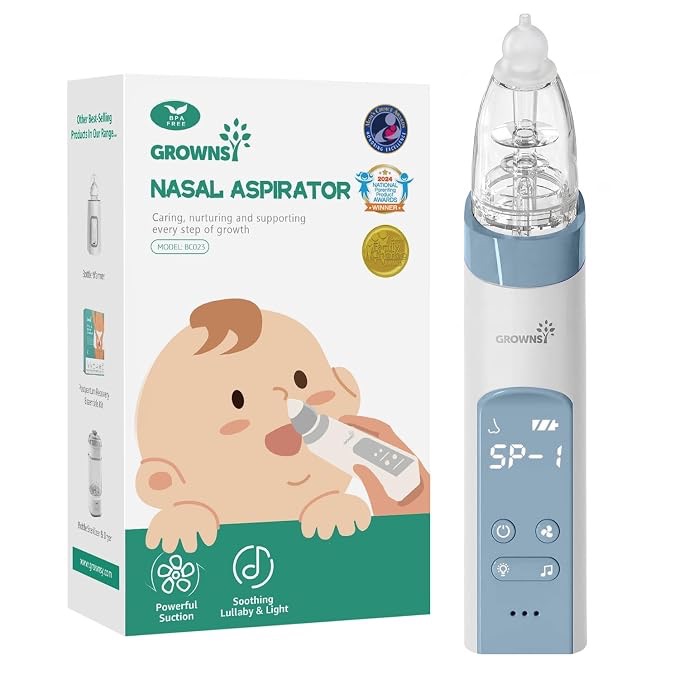
Electric nasal aspirator
Best for coldsOur first newborn cold, and nothing else worked. Quiet enough that she didn't scream at it.
Gross. Essential.
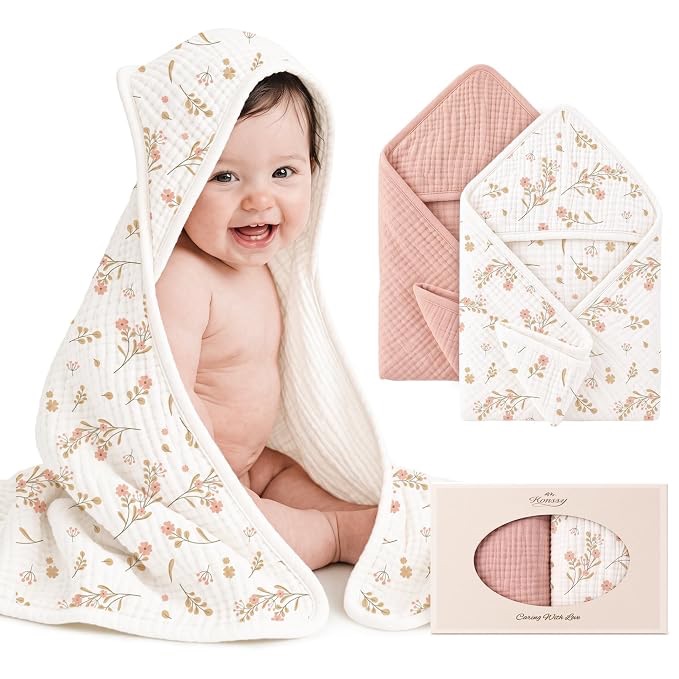
Hooded towels, set of 3
Best small buyA slippery baby in a tiny hood is easier than one in a big bath sheet. Go for the bigger size.
Small thing, used daily.
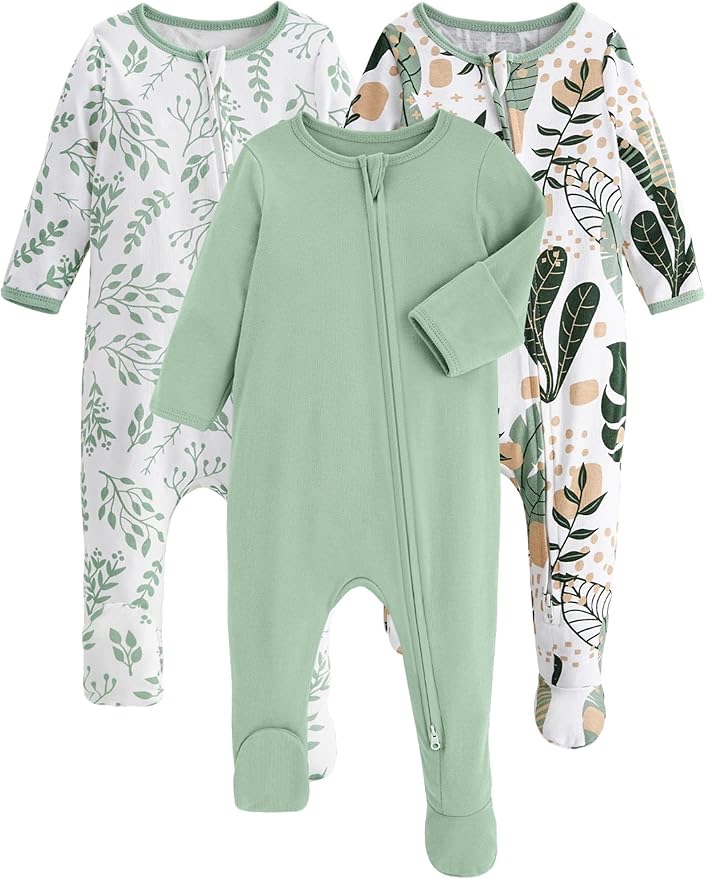
Zip-front sleepers, 0–3 months
Best for 3am changesSnaps in the dark are a special kind of torture. A zip that runs from ankle to chin means a change takes seconds.
I gave away every snap sleeper.
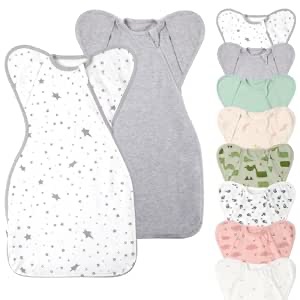
Swaddle with arm-out option
Best for startle reflexIt gave us longer stretches in the early weeks. The arms come out when baby starts showing signs of rolling, which is when you stop swaddling.
Worked until it didn't, then we moved to the sleep sack.
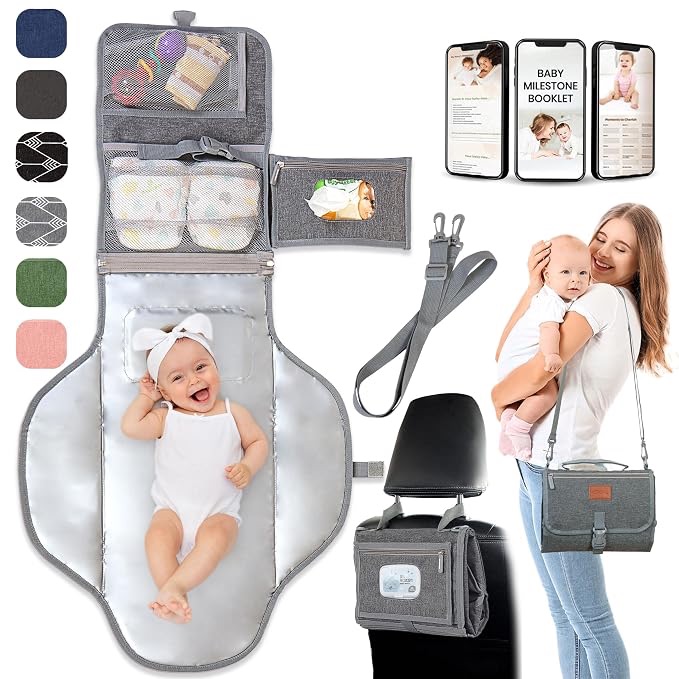
Portable changing pad
Best for going outIt folds flat with a wipes pocket and two diapers inside. I kept one in the car and one by the sofa.
Cleaner than any public changing table.
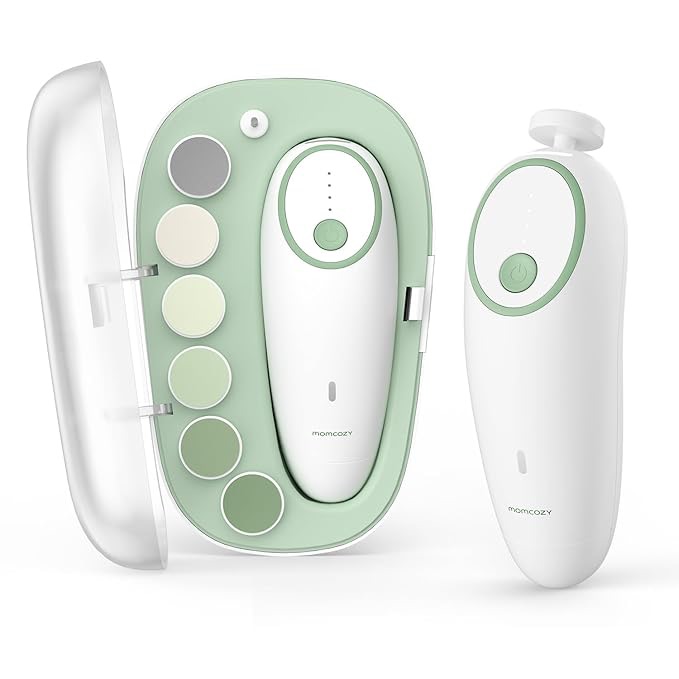
Baby nail file, electric
Best for nervous parentsI was terrified of the clippers. The gentle pads file tiny nails while they sleep, with no chance of nicking skin.
No more scratched cheeks.
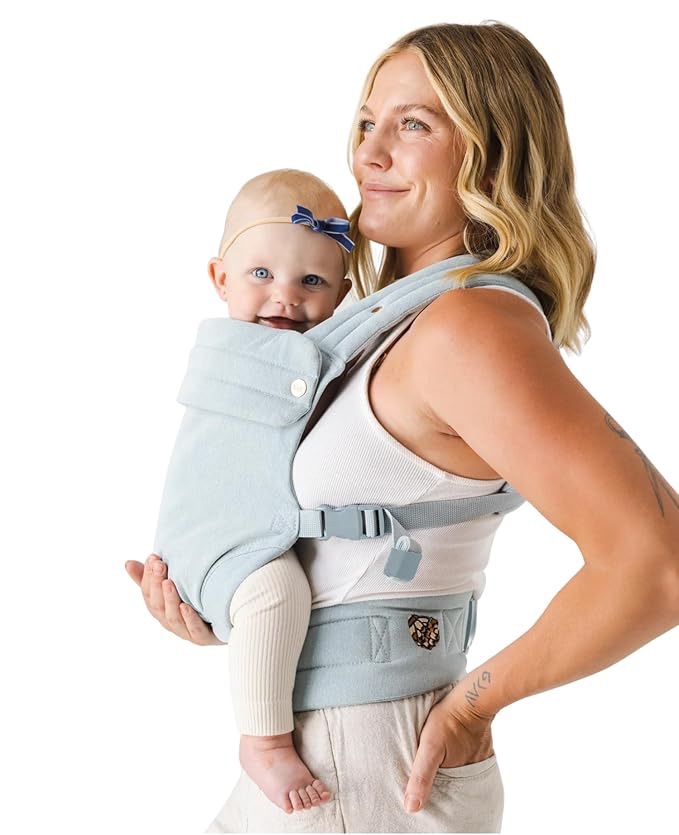
Soft structured carrier
Best for hands-freeEasier than a wrap once baby is heavier, and it spreads the weight across your hips. Check that it has a newborn setting.
Dinner got cooked again.
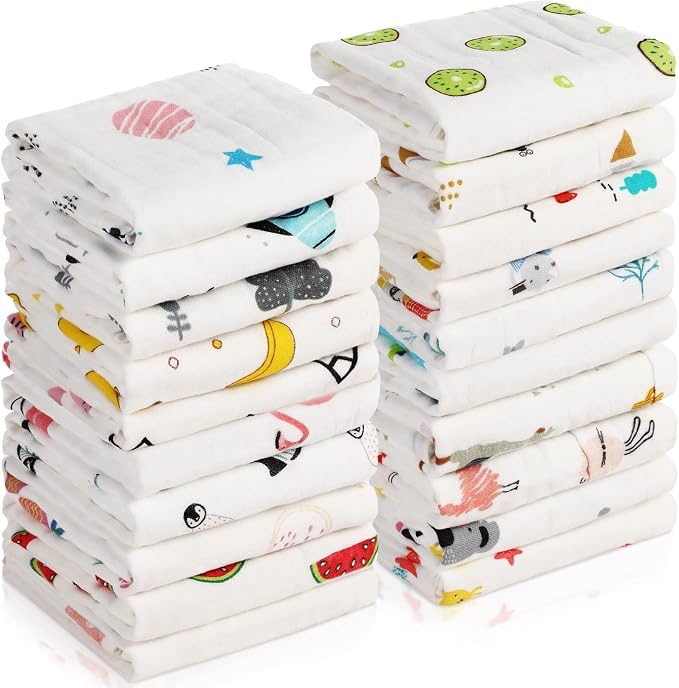
Burp cloths, pack of 20
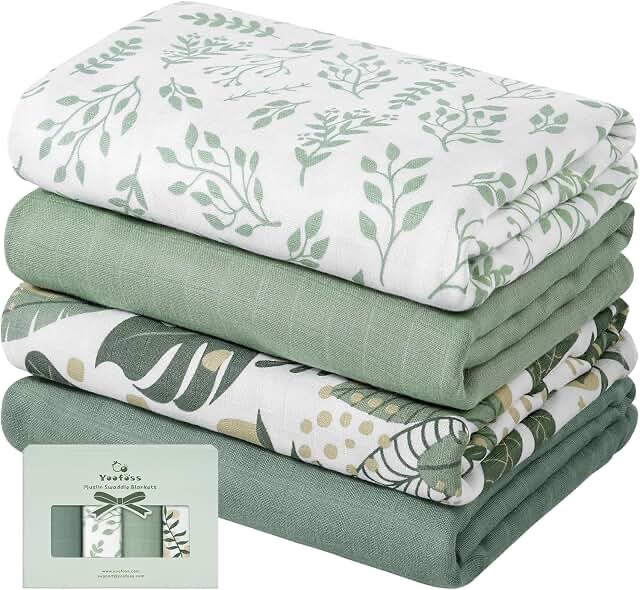
Best cheap buyYou'll use more than you think. The long, curved ones actually cover your shoulder.
Buy double. Seriously.
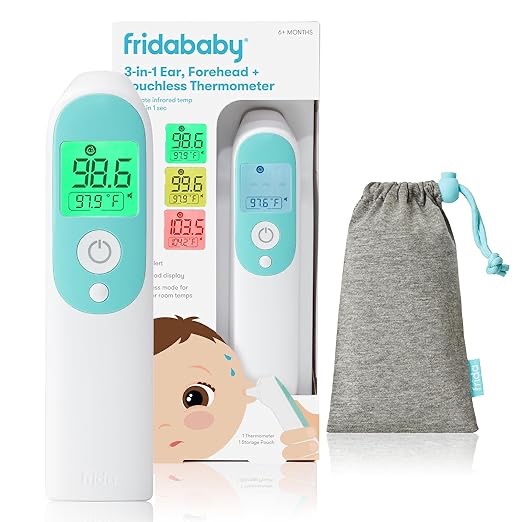
Digital thermometer (ear + forehead)
Best for peace of mindReads in about a second, and the backlit screen means you're not switching on lights at 3am. Ear mode once they'll hold still, forehead while they're asleep.
Hope you rarely need it. Glad to have it.
The 12 I returned
Not bad products, just ones we didn't need. Skip these unless you have a specific reason.
The first-six-weeks minimum
A safe sleep space: firm flat mattress, fitted sheet, nothing else in it
Two zip-up sleep sacks, in the size your baby actually is
Six zip-front sleepers, because three will be in the wash
Twenty burp cloths — the one thing you cannot over-buy
A white noise machine that runs all night unattended
A portable changing pad for the nappy bag
A soft structured carrier that fits you, not just the baby
A digital thermometer you can use without waking them
One pack of newborn nappies — not a bulk box
An electric nasal aspirator, before the first cold rather than during it
Get this list as a one-page checklist
Please enter your email address.
Safe sleep is not a gear choice
The single most useful thing I read before my first was born was the safe sleep guidance, and none of it involves buying anything. These are the AAP recommendations, and they do not change with the product aisle.
- Alone, on their back, in their own sleep space — for every sleep, including naps
- A firm, flat surface with a fitted sheet, and nothing else in the sleep space
- No bumpers, pillows, blankets, toys, or positioners — none of them, at any age
- No inclined sleepers, swings, or car seats for unsupervised sleep
- Room-share for at least the first six months, ideally the first year
- Never fall asleep with the baby on a sofa or armchair — that is the highest-risk situation
- Swaddle only until they show signs of rolling, then stop immediately
This post contains affiliate links. I only include products I've bought and used myself. Prices were correct when I wrote this and do change. This isn't medical advice, so for sleep safety, follow the AAP guidelines and ask your pediatrician.