How to Switch Formulas Without the Tummy Drama
Why you might switch, what to ask your pediatrician first, and how we made the change.

We switched formulas twice. The first time was a disaster because we did it abruptly over a weekend and blamed the new formula for what was actually the switch itself. The second time was uneventful, and the difference was entirely in how we did it. Here is what to ask before you change anything, and how to make the change boring.
First, work out whether it is the formula
Most of what looks like a formula problem is something else: a flow rate that is too fast, a burping technique that is not working, overfeeding from a bottle, or simply normal newborn digestive noise. Before you change brands, change the teat and try paced feeding for a week.
The signs that do point at formula are specific: blood or mucus in the stool, eczema flaring with feeds, swelling of the lips or face, or projectile vomiting alongside poor weight gain. Those need your pediatrician before you change anything, and the last one is urgent.
What to ask your pediatrician
Not 'which formula is best' — there is no best, they are all held to the same nutritional standard for healthy term babies. Ask instead whether there is a reason to use a specific type given your baby's history, and what they want you to watch for after the switch.
Ask about partially and extensively hydrolysed formulas specifically if there is a family history of allergy or eczema. And ask how long to give a new formula before judging it — the answer is usually around two weeks, which is longer than most people wait.
How to actually switch
Gradually, over roughly a week to ten days. Replace one bottle a day with the new formula for a few days, then two, then three, until you are fully on the new one. This gives you a clean signal about which bottle causes any reaction, and it is gentler on the gut than a hard cutover.
Never mix two powders in one bottle to stretch the transition — the scoop-to-water ratios differ between products and you can end up with formula that is too concentrated, which is genuinely dangerous for a newborn's kidneys.
The boring truth
After the second switch, nothing happened. No screaming, no change in stool, no improvement either — and that was the useful outcome, because it told us the original problem had never been the formula. We had spent six weeks and about eighty dollars chasing a teat size.
If you switch and nothing changes, that is a result. It means you can stop looking there.
Before and during a switch
Rule out flow rate and paced feeding first — a week is enough to know
Note what you are actually trying to fix, in writing
Ask your pediatrician about type and about allergy history
Ask how long to give it before judging — usually about two weeks
Switch one bottle a day at a time over a week
Never mix two powders in one bottle
Follow the new tin exactly — water temperature and scoop ratio
Keep a couple of days of the old tin in case you need to go back

Get this list as a one-page checklist
Please enter your email address.
Gear that made this easier
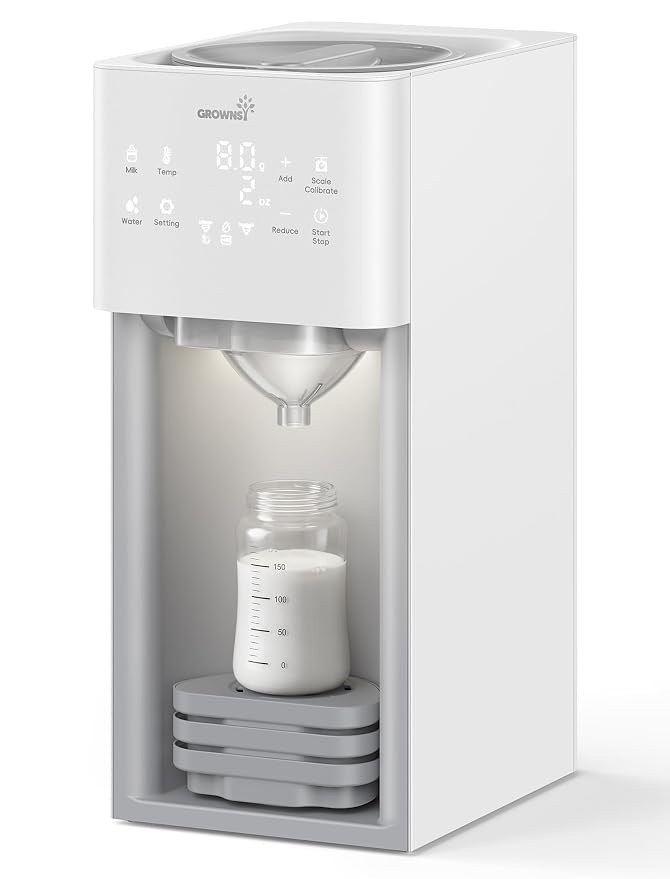
Pre-portioning powder for night feeds makes a gradual switch far easier to keep straight, and stops scooping errors in the dark.
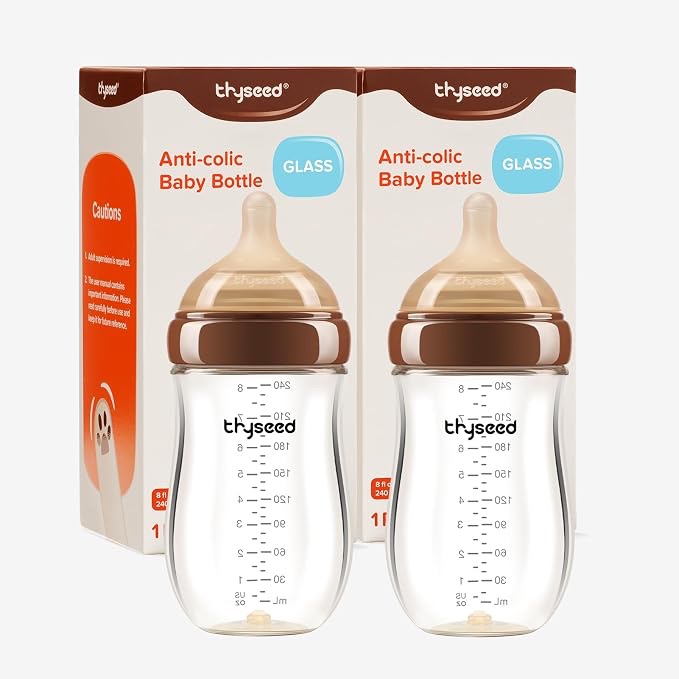
If the real problem was air rather than the powder, a vented bottle and paced feeding will show you that within a week — before you switch formula.
Get medical advice first if you see these
These are not "try a different formula" symptoms. They need your pediatrician before any change, and some are urgent.
- Blood or mucus in the stool
- Swelling of the lips, face or tongue, or difficulty breathing — emergency, call 911
- Projectile vomiting with poor weight gain
- Eczema that flares specifically with feeds
- Refusing feeds or persistent refusal to finish bottles
- Any switch for a premature baby, or one with a diagnosed condition — always discuss first
Formula choice and any switch should be agreed with your pediatrician, particularly with prematurity, eczema or a family history of allergy. This is one parent's experience, not medical advice.