Bottle Refusal: 8 Things That Finally Worked for Us
Different nipples, different people, a different room, and a lot of patience.
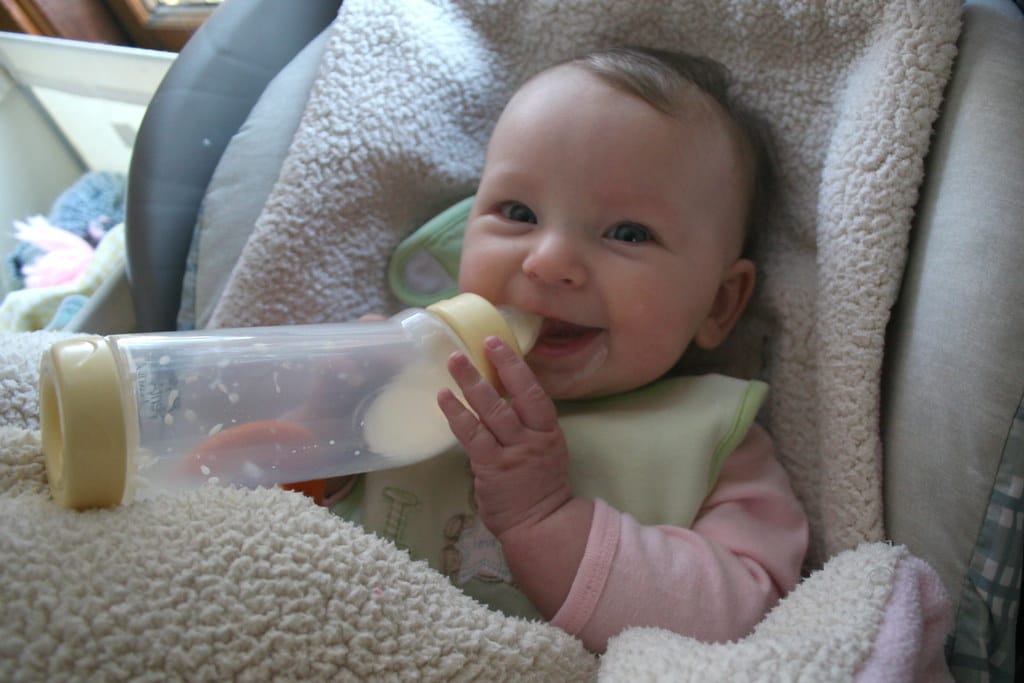
At four months my daughter decided bottles were an insult. She would arch, turn her head, and scream at a full bottle while clearly hungry. It lasted five weeks. Eight things eventually worked, and the one that mattered most was the least intuitive: I had to leave the room.
Stop offering it yourself, first of all
If you are the nursing parent, your baby can smell you and knows exactly what else is available. Many babies will refuse a bottle from the person with the breasts and take it happily from anyone else. This is the single highest-yield change and it costs nothing.
Have someone else offer it, in a different room, ideally when you are out of the house. If you are on your own, put on a shirt you have not worn for a feed and try a different chair — small changes to the sensory context genuinely help.
Change the temperature and the position
Warm the milk and warm the teat under the tap. A cold teat against a warm-mouthed baby is a surprise they will refuse again. Andre-position: many bottle-refusers take it best sitting more upright, facing away from you, or in a carrier while you walk.
Try a slower flow, not faster. The instinct is to size up because they seem frustrated, but a fast flow on a baby used to the breast often causes them to pull off and refuse. Size down and let them work for it.
The tricks that feel silly and work
Offer the bottle when the baby is calm and drowsy rather than screaming hungry. A hungry, escalated baby cannot problem-solve a new object. Ten minutes earlier than you think you need to is the right time.
Distraction is legitimate. Walk, bounce, sing, go outside, run the tap. Skin-to-skin with the other parent, with the bottle offered sideways rather than head-on. And let them hold the bottle, or at least grip your finger, so their hands have a job.
What to do when none of it works
Keep offering without forcing. A baby who is pushed will refuse harder next time, and a bottle aversion is much harder to undo than a preference. Offer for a few minutes, stop calmly, and try again in twenty.
If your baby is refusing all bottles and you need to return to work, get an IBCLC involved before the deadline rather than in the last week. And if refusal comes with weight loss, fewer wet nappies, or a baby who also refuses the breast, that is a same-day call — not a bottle problem.
In order of what to try
Have someone else offer it, in another room, while you are out
Warm both the milk and the teat
Drop to a slower flow teat rather than sizing up
Offer when calm and drowsy, before the hungry cry starts
Change the position — upright, facing away, or in a carrier
Try a different bottle or a softer, wider teat
Offer sideways rather than head-on, with movement and noise
Stop after a few minutes and retry later — never force it

Get this list as a one-page checklist
Please enter your email address.
Gear that made this easier
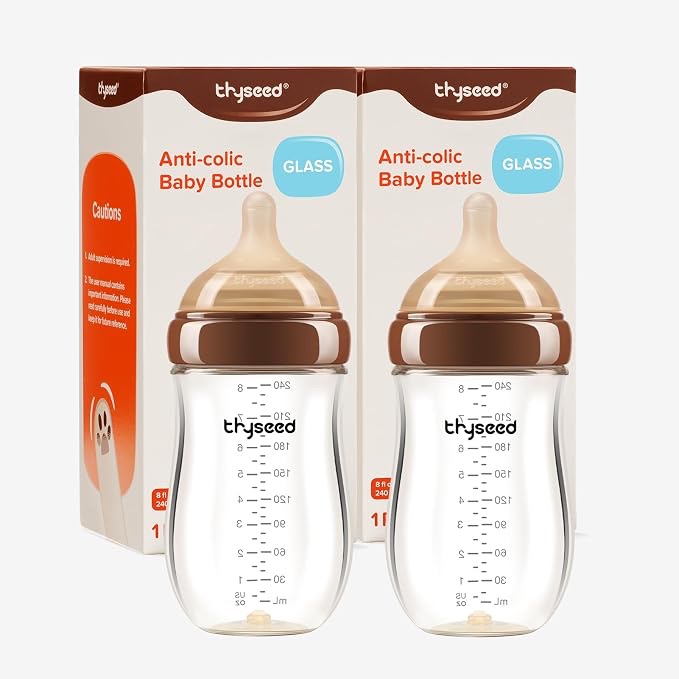
A vented bottle with a slow teat is the most common fix for refusal, because most refusal is flow and air rather than the bottle itself.
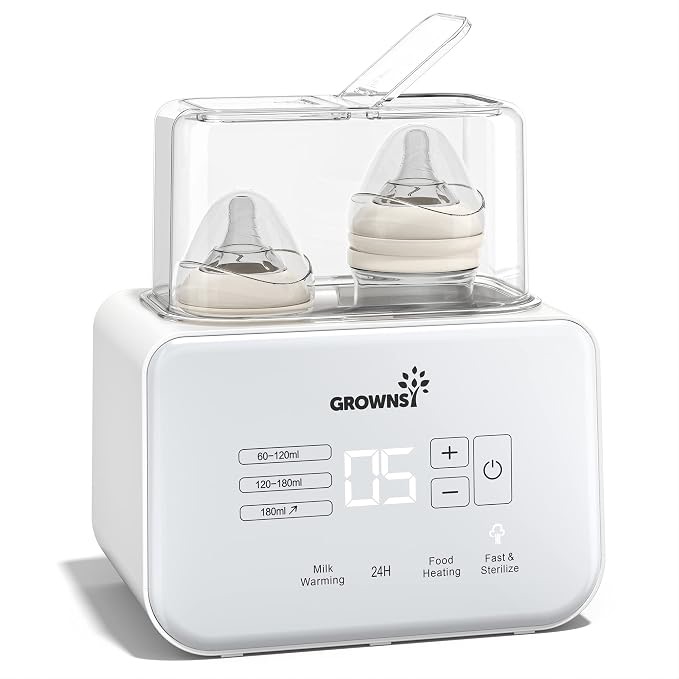
Consistent temperature matters more for a refuser than for an easy feeder. A warmer removes one variable at a time when you are already troubleshooting.
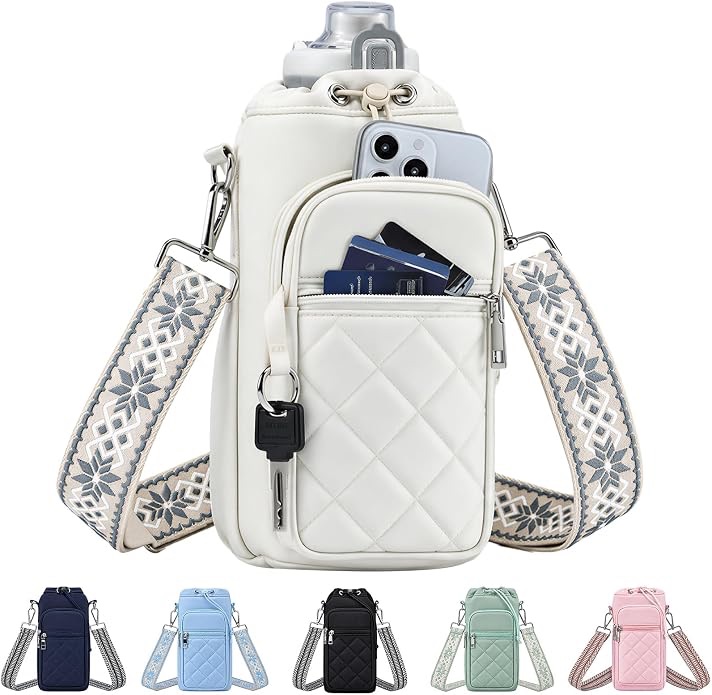
For the out-of-the-house strategy — being away genuinely helps, and the milk has to stay cold on the way out and warm at the point of offer.
Persistent refusal with weight loss, dehydration signs, or refusal of both breast and bottle is a medical matter — call your pediatrician or an IBCLC rather than working through this list again.