First Foods by Month: A Simple 6–12 Month Guide
What we offered each month, with first-food recipes and allergen notes for your pediatrician chat.
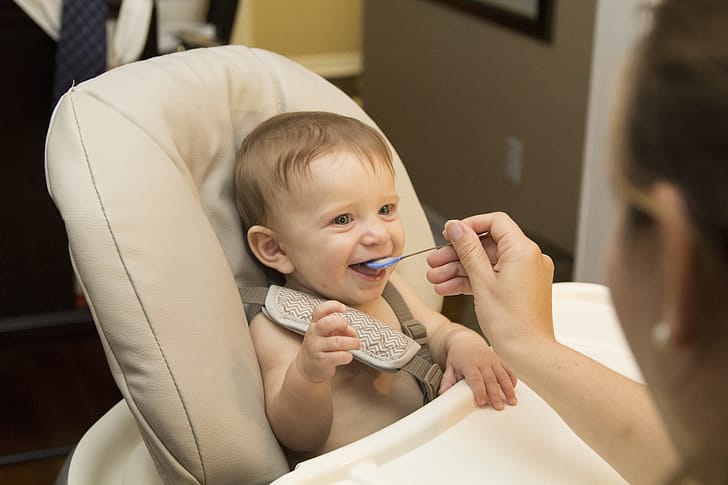
Six to twelve months is less a weaning schedule than a slow handover from milk to food that happens over half a year. This is roughly what we offered when, with the caveat that mattered most: every baby's readiness ran on its own clock, and our pediatrician set the pace for the allergenic foods.
Six months: texture, not volume
At six months the goal is not nutrition, it is practice. Milk still provides almost everything. Offer one meal a day of soft, single-ingredient food — steamed and mashed carrot, sweet potato, pear, or a soft piece they can hold.
Iron matters here, because reserves from birth start running down around six months. Fortified cereal, well-cooked lentils, or puréed meat are the practical answers, alongside continued milk feeds.
Seven to eight months: more meals, more lumps
Move to two meals a day and stop blending quite so smooth. Lumps at this stage are deliberate practice for chewing, and delaying them is what makes texture refusal more likely later.
Introduce common allergens one at a time, spaced a few days apart, in age-appropriate forms — well-cooked egg, smooth peanut butter thinned into something, dairy as yoghurt. Keep offering them regularly once introduced, because tolerance is maintained by exposure.
Nine to ten months: three meals and a cup
Three meals a day, plus milk. Introduce an open cup or a lidded two-handle cup with meals — drinking from a cup is a skill that needs months of practice and is easy to postpone by accident.
This is when pincer grasp arrives, so small soft pieces become possible: peas, soft cooked pasta, small bits of ripe fruit. Still no whole grapes, no whole nuts, nothing hard and round.
Eleven to twelve months: toward family food
By twelve months most babies can eat a version of what you are eating, without added salt or sugar. Milk feeds start to drop naturally as meals grow. Cow's milk as a drink becomes appropriate after twelve months, not before.
The thing I would tell myself at six months: the mess is the point. A baby who is playing with food is learning about food, and the ones who eat neatly at six months are not ahead — they are just quieter.
By month, roughly
6 months — one meal a day, smooth textures, iron-rich foods, milk still the main event
7 months — two meals, lumps introduced deliberately
8 months — allergens introduced one at a time and then kept in rotation
9 months — three meals, cup introduced, soft finger foods
10 months — pincer grasp, smaller pieces, more self-feeding
11 months — eating a soft version of family meals
12 months — no added salt or sugar, cow's milk as a drink from now

Get this list as a one-page checklist
Please enter your email address.
Gear that made this easier
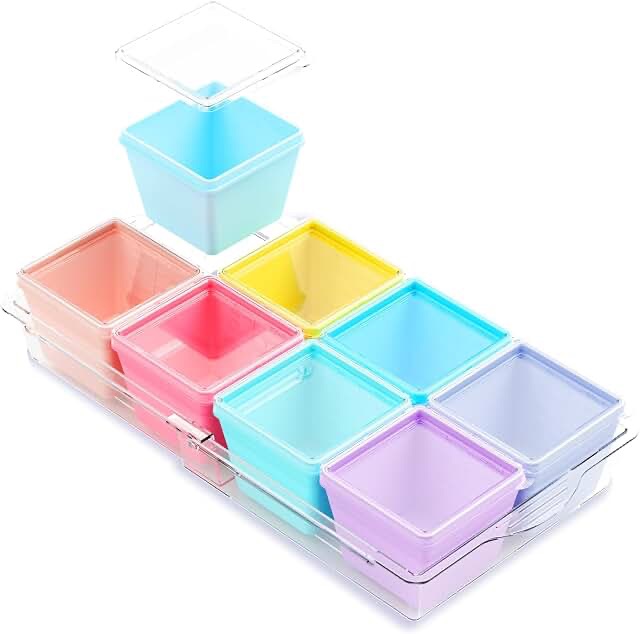
Batch-cook once, portion into cubes, and you have a month of single-ingredient meals. The lids keep the freezer from tasting of carrot.
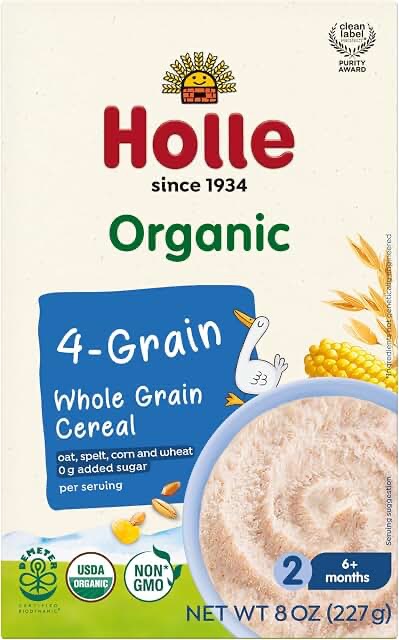
Fortified, five dollars, and mixes with anything. The least glamorous and most useful iron source at six months.
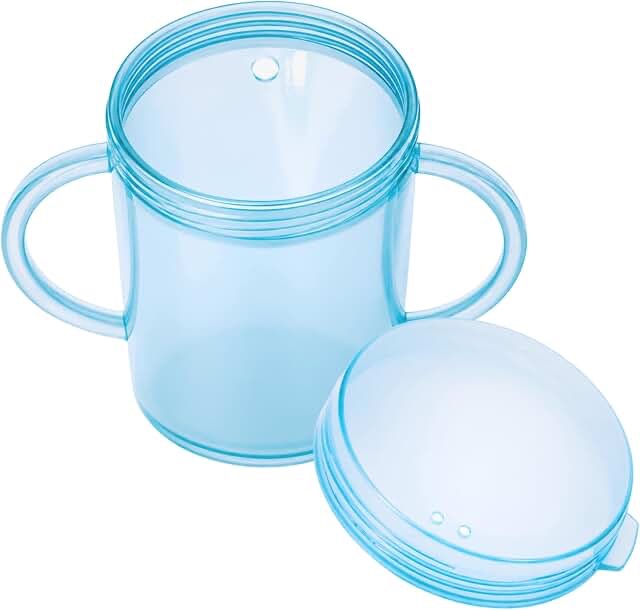
Cup drinking is months of practice. A lidded two-handle cup is what actually gets used without a change of clothes every meal.
Unchanged at every month
These do not relax as your baby gets older within the first year — they are the reason to take an infant first aid class before the first meal.
- No honey before twelve months — botulism risk
- No whole grapes, whole nuts, or hard raw chunks
- No added salt or sugar
- Always seated upright, always supervised, never in a moving car
- No cow's milk as a main drink before twelve months
- Introduce allergens one at a time so you know what caused a reaction
When to start solids, and how to introduce allergens, should be agreed with your pediatrician — particularly with eczema, prematurity or a family history of allergy. This is one family's rough timeline, not a schedule to follow exactly.