My Pumping-at-Work Bag: 14 Things That Actually Help
Packed and repacked for eight months. This is the final version.
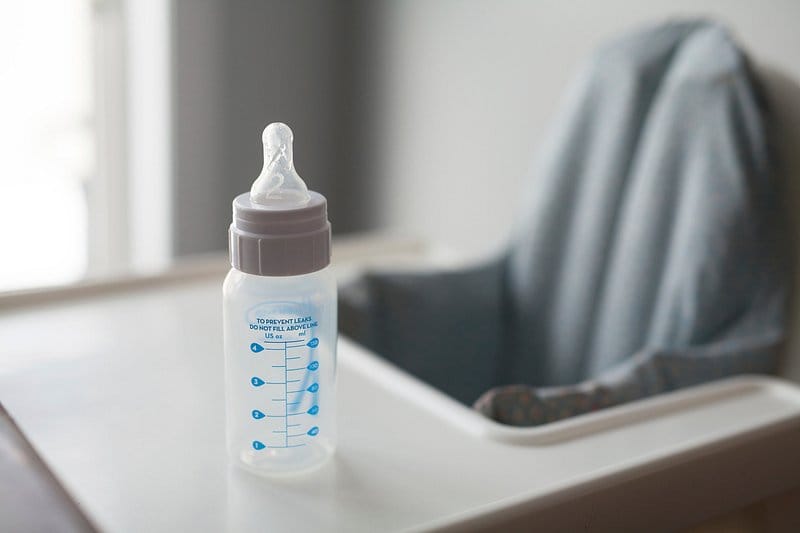
I went back to work at twelve weeks and pumped in a supply closet with a chair I had to carry in. Eight months of that taught me the bag matters more than the pump. Everything below is in the bag because it earned its place by being forgotten once and costing me a day.
Two of everything, not one
You need two full sets of flanges, valves, membranes and collectors. Not because they wear out, but because you will at some point get to work with one set in the drying rack at home, and the choice will be between washing up in an office sink or skipping a session. Skipping a session is how supply drops.
Keep the second set in the bag permanently and never take it out. The moment it comes home to be washed, it becomes part of the rotation and stops being a spare.
Cold is the hard part
Freshly expressed milk is fine at room temperature for around four hours, which usually covers getting it home. Anything longer needs cold. A small insulated bag with a proper ice pack beats a fridge you cannot access, and a bag that fits in your normal work bag is more likely to actually be used than a dedicated cooler.
If you have a long commute or a shared fridge situation you do not trust, freeze an ice pack the night before and treat the bag as your fridge for the day. Label with the date. The storage guide on this site has the full timing chart.
Cleaning without a kitchen
Pump-part wipes are the honest answer for the days you cannot get to a sink. They are not a substitute for washing, but they stop the spiral where a dirty part means a missed session.
If you do have a sink: hot water, a brush that lives in the bag, and air dry on a clean paper towel. A small bottle brush and a folding drying rack that fits in the bag solve this entirely, and cost less than one week of coffee.
Protecting the fifteen minutes
The single biggest practical upgrade was a wearable pump. It is not as effective as a hospital-grade double, and I would not use one as my only pump, but it converts a session that needed a locked room into one you can do in a car, a train or a meeting with the camera off.
The other upgrade was scheduling the break as a meeting in my calendar with a name that nobody questions. If it is not on the calendar, it does not happen, and if it does not happen, supply drops within a week — which then looks like a mysterious supply problem rather than a scheduling one.
The bag, all fourteen
Pump, fully charged, plus the charger
Spare set of flanges, valves and membranes
Collectors or bottles for today's output
Breast milk storage bags, laid flat in an outer pocket
Insulated bag with a frozen ice pack
Hands-free pumping bra
Pump-part wipes
Small bottle brush
Folding drying rack or a clean cloth
Nursing cover or a large scarf
Water bottle — pumping is dehydrating
One-handed snack
Phone charger or power bank
Sharpie for dating bags, and a couple of spare labels

Get this list as a one-page checklist
Please enter your email address.
Gear that made this easier
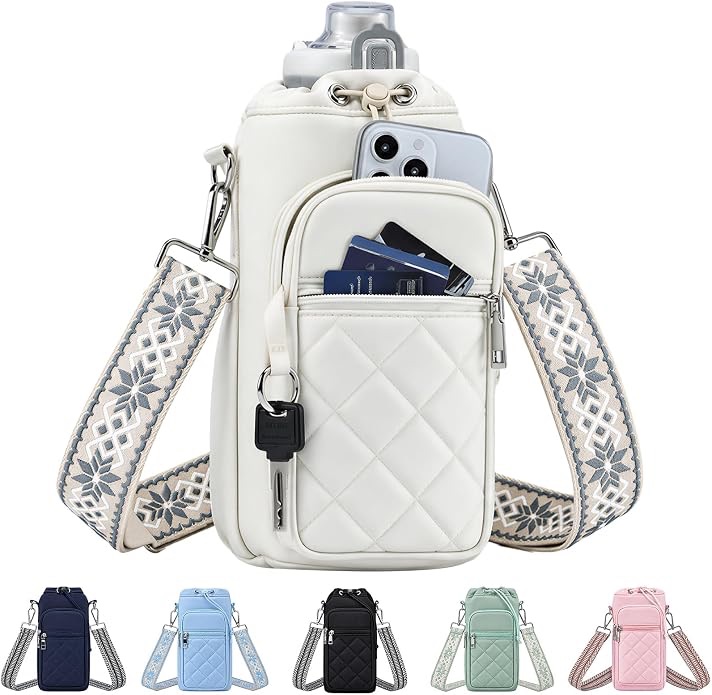
This is your fridge when there is no fridge. Small enough to live inside a normal work bag, which is why it gets used.
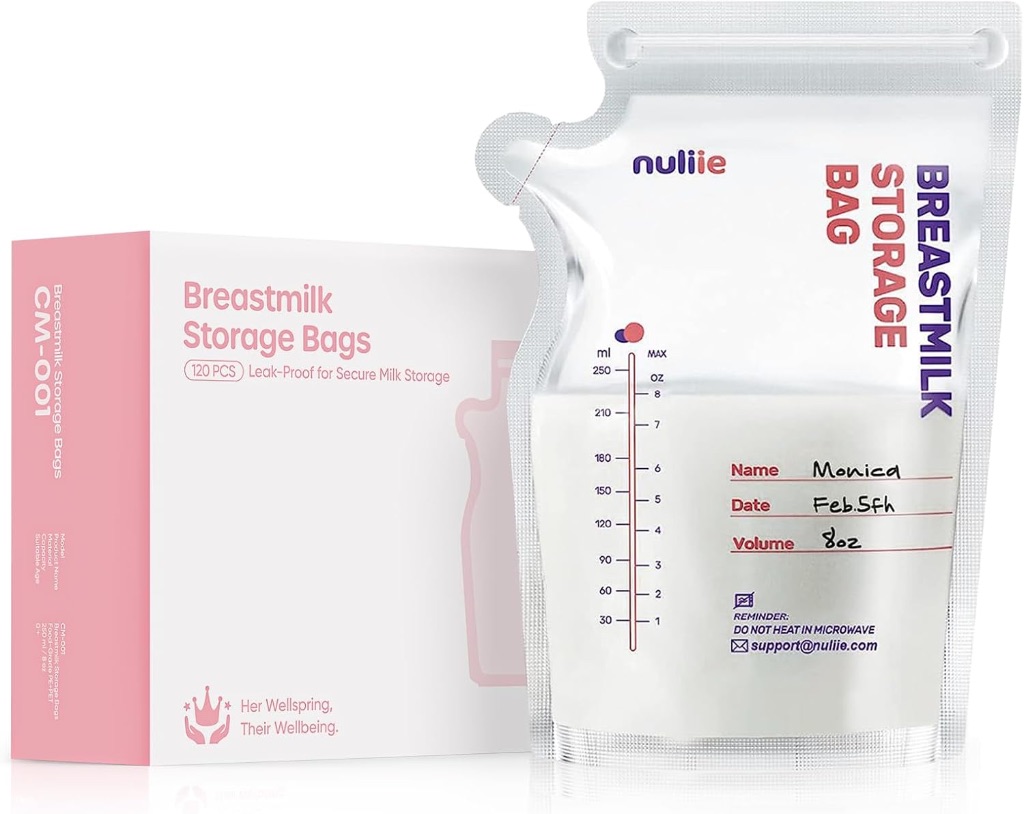
Flat-freezing in bags is the only way a small freezer stays usable. Buy more than you think — running out mid-week is its own small crisis.
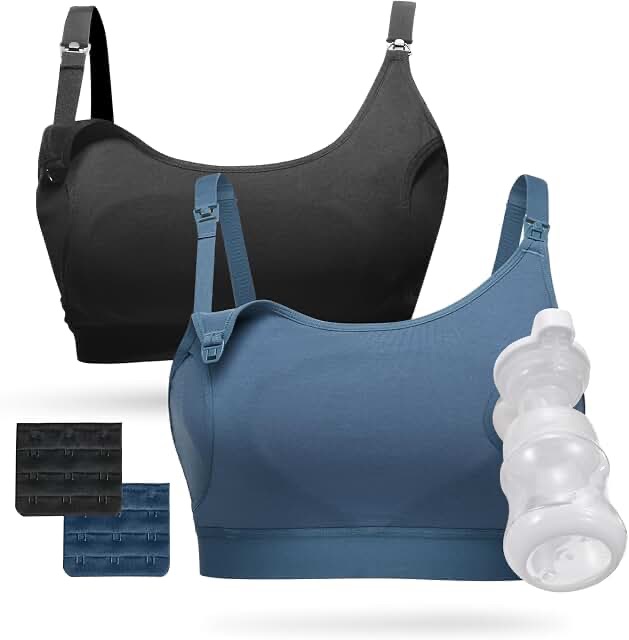
Converts pumping from something you cannot do while answering an email into something you can. Also doubles as a clip-down nursing bra.
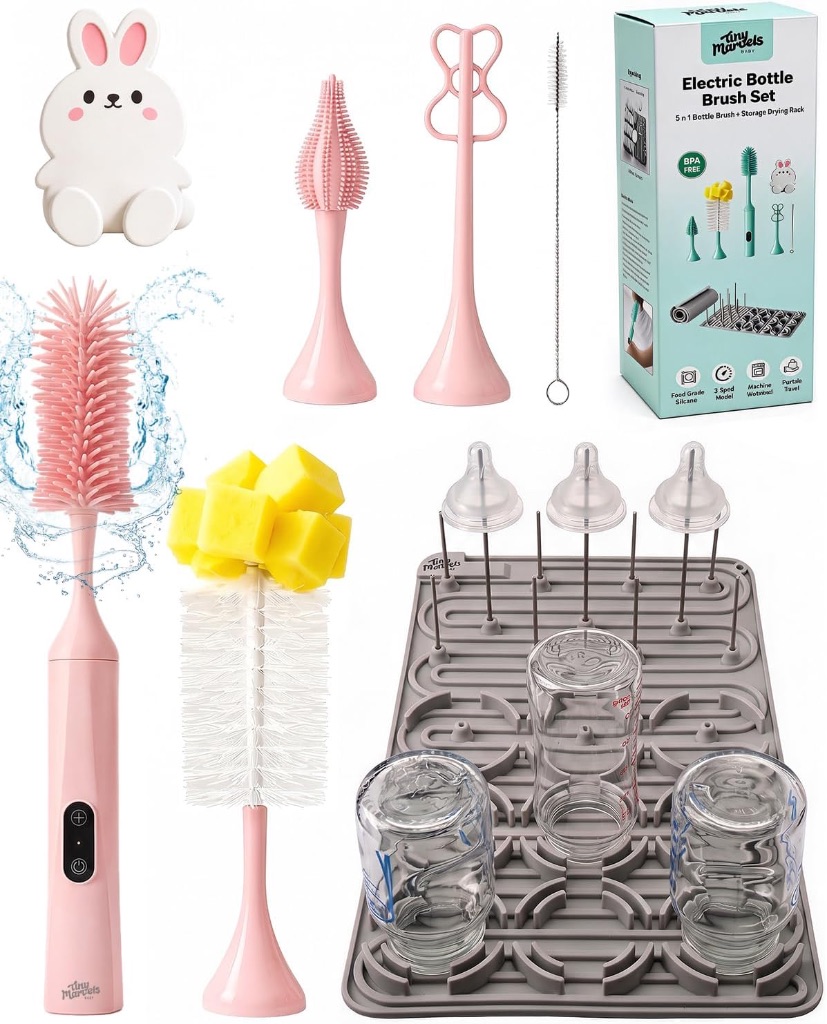
Lives in the bag, never goes home. The small brush reaches the valve, which is where milk actually hides and sours.
Pumping output varies enormously between people and between sessions, and a wearable pump will usually express less than a double electric. If your supply is dropping, treat it as a scheduling and flange-fit question to take to an IBCLC before assuming it is your body.