Breast Milk Storage, Simplified (With a Fridge Chart)
Room, fridge, freezer: a printable chart for the fridge door.
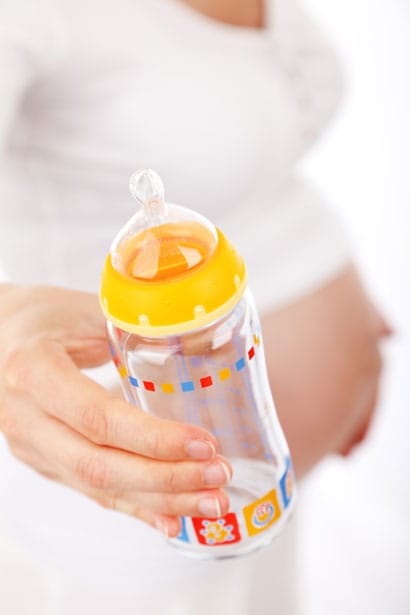
Every guide to milk storage has the same numbers and none of them tell you what to do at 2am when you cannot remember whether the bag in your hand is from Tuesday or three weeks ago. So: the timings, the two rules that matter more than the timings, and a chart for the fridge door.
The numbers, briefly
Freshly expressed milk keeps at room temperature for around four hours — cooler room, closer to the four; warm kitchen, closer to two. In the fridge it is good for around four days. In a freezer compartment inside a fridge, around two weeks; in a separate freezer with its own door, around three to six months; in a deep freeze, longer.
Those are the widely used figures and they are deliberately conservative. What matters more is that milk is stored cold quickly and kept cold consistently. A bag that sat in a warm car for two hours then went in the fridge is a different proposition from one that went straight in.
The two rules that actually matter
First: never refreeze thawed milk. Once it has been fully thawed — even if you only used part of it — it does not go back in the freezer. Thaw in the fridge overnight, or under cool running water, and use it within 24 hours once thawed in the fridge.
Second: do not microwave it. Microwaves heat unevenly and create hot spots that burn a baby's mouth, and they damage some of the components of milk. Warm by standing the bag or bottle in warm water. If you are in a hurry, that is what the tap is for.
Freeze flat, date the front
Lay bags flat to freeze, then stack them like files. It takes a fraction of the space, thaws in minutes rather than hours, and lets you see what you have. Write the date and the volume on the flat part of the bag with a Sharpie before you fill it — writing on a full, slippery bag at 3am is how labels get lost.
Use oldest first. If you are building a stash for work, rotate it deliberately: take the oldest to work, put today's in the freezer. Otherwise you end up with a freezer full of milk that expires the week you need it.
What to throw out, honestly
Leftover milk from a bottle your baby has already drunk from: finish within two hours, then discard. Saliva introduces bacteria and the clock is real. This is the rule people most want to bend, and it is the one worth keeping.
Milk that smells soapy or metallic after thawing is usually a lipase issue rather than spoilage, and most babies do not mind it. If yours refuses it, scalding fresh milk before freezing is the fix — but that is a next-batch solution, not a today one.
The fridge-door chart
Room temperature: about 4 hours — put it in the fridge sooner on a hot day
Fridge, back of the shelf not the door: about 4 days
Freezer inside a fridge: about 2 weeks
Freezer with its own door: about 3–6 months
Deep freeze: up to about 12 months
Thawed in the fridge: use within 24 hours, never refreeze
Started bottle: finish within 2 hours, then discard

Get this list as a one-page checklist
Please enter your email address.
Gear that made this easier
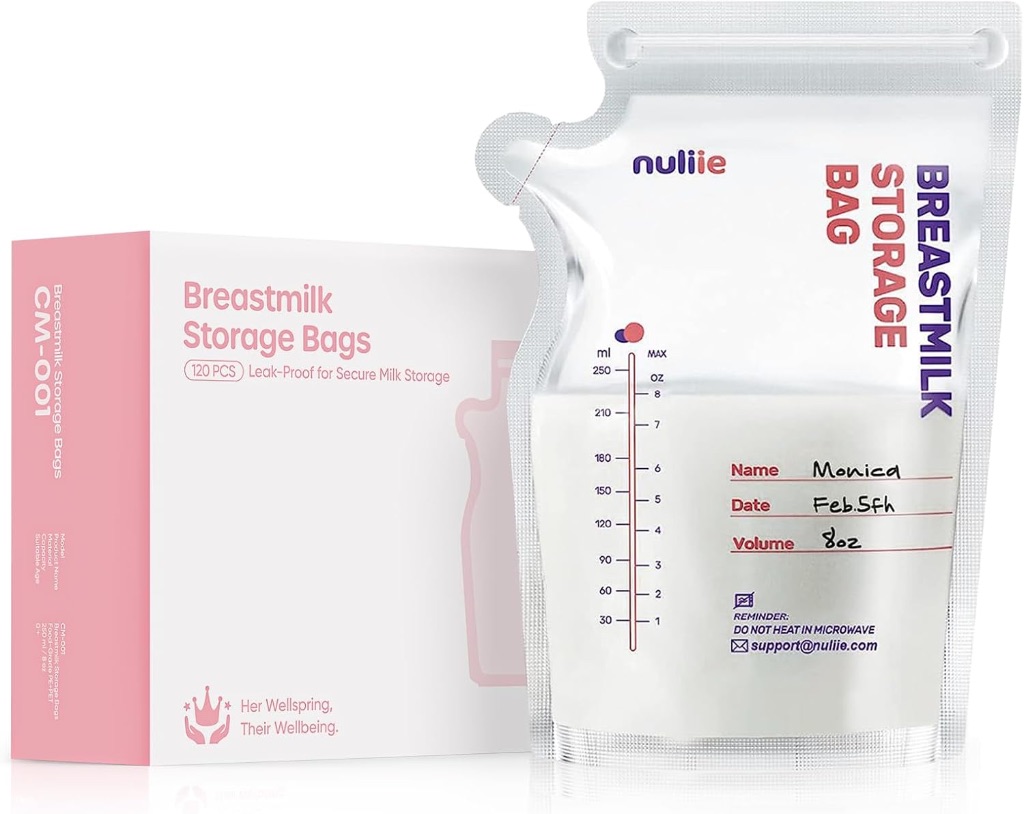
Flat-freezing works far better in bags than in hard containers, and the volume markings on the side save you guessing later.
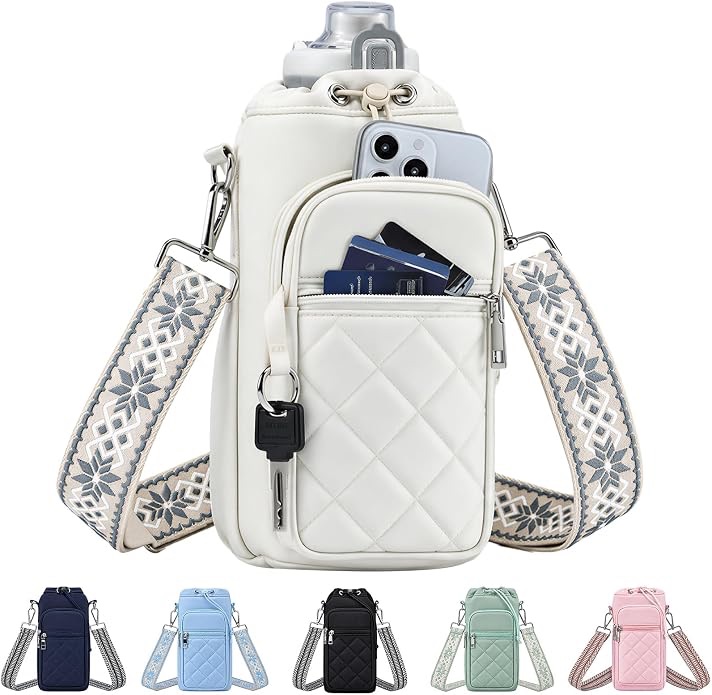
For the commute home, or the day out where the milk is away from a fridge for longer than four hours.
The four-hour rule is not flexible
Room-temperature milk is the one category where people routinely push the limit, and it is also the one most likely to be sitting in a warm room. If you are unsure how long a bottle has been out, throw it out. Replacing milk is annoying; a sick newborn is not a fair trade.
- Never refreeze milk that has fully thawed
- Never microwave — uneven heating causes burns
- Discard anything left in a bottle two hours after a feed started
- Do not add fresh milk to an already-frozen bag
- If it smells or tastes sour after thawing, bin it rather than testing it on the baby
Storage guidance varies slightly between health bodies and your hospital may give you different numbers — follow theirs if they differ, since they know your baby. This is general information, not medical advice.