Best Anti-Colic Bottles, Tested on a Very Gassy Baby
Six bottles, one unhappy tummy, and the two that won.
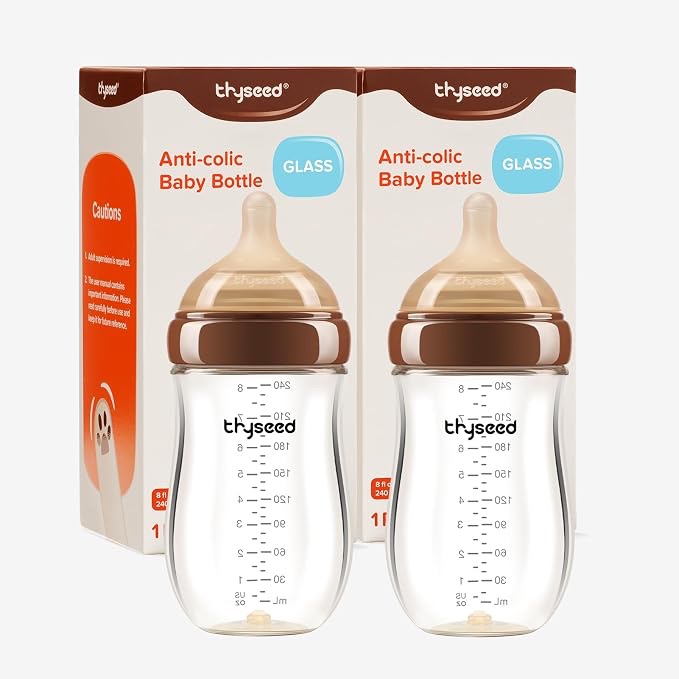
My second baby was a fountain. We went through six bottle types in five weeks and kept a completely unscientific log of evening screaming. Two worked. This is what we learned about which features actually matter, and which ones are a marketing department's idea of a feature.
Venting is the only feature that reliably matters
Anti-colic bottles all claim to reduce air. The mechanism that actually does something is a vent that lets air in behind the milk instead of through the nipple, so the baby is not fighting a vacuum. Bottles with a vented base or an internal straw do this. Bottles with only a shaped teat do not — they are just a different shaped teat.
You can tell within a feed whether the vent is working: the teat should not collapse flat, and the baby should not be audibly gulping air. If the nipple keeps collapsing, the vent is blocked or the ring is too tight.
Flow rate beats brand
Most bottle problems we had were flow problems, not bottle problems. A newborn on a fast-flow teat will take too much too quickly, swallow air and be miserable. A four-month-old on a slow teat will get frustrated and give up.
This is why the sampler sets exist and why they are worth it. If your baby is gassy, the first thing to change is the teat, not the bottle. Try one step slower before you buy another brand.
Paced feeding did more than any bottle
Hold the baby more upright, keep the bottle closer to horizontal than vertical, and let them pull the milk rather than letting gravity pour it in. Pause every minute or so. Burp halfway.
We went from twenty minutes of screaming after every evening bottle to almost none by changing the angle and the pacing, using the exact same bottle we had already decided was 'bad'. That was humbling.
What we actually kept
A wide-neck vented bottle with a slow teat for the newborn months, and the same system in a larger size later. Wide neck because it is genuinely easier to fill and wash one-handed at 3am, which is the real specification.
We returned the gimmicks: the ones with a temperature indicator (unreliable), the ones with a built-in formula compartment (impossible to clean properly), and the self-sterilising ones (they work, but they take longer than a microwave bag).
Before you buy another bottle
Check the teat flow — drop to the next size down first
Try paced feeding and a more upright hold for a week
Make sure the vent is not blocked and the ring is not over-tightened
Burp deliberately at the halfway point, not just at the end
Rule out reflux with your pediatrician before buying more hardware
Buy one bottle before a set — bottles are personal

Get this list as a one-page checklist
Please enter your email address.
Gear that made this easier
A vented base so air goes behind the milk rather than through it. The wide neck is the underrated part — it is washable one-handed.

Six bottles a day need somewhere to go that is not a tea towel. Also stops the sink pile becoming a morning crisis.
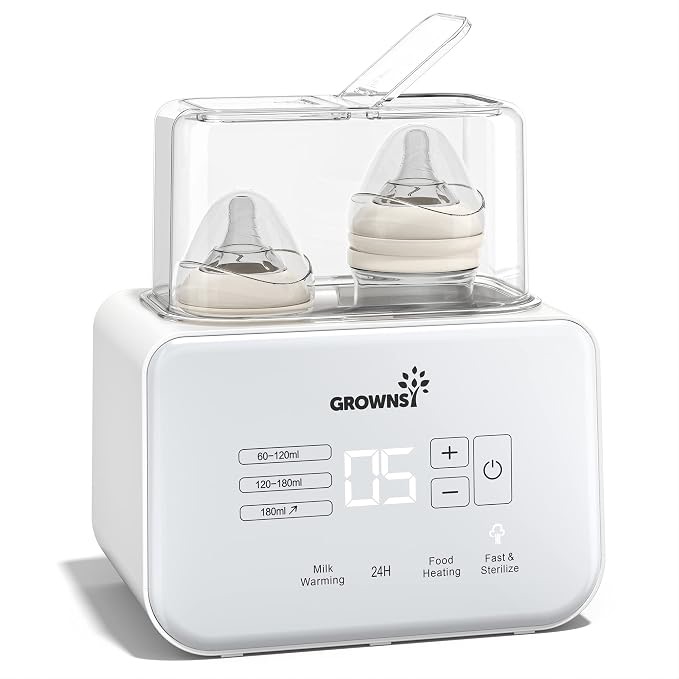
Not essential, but at 3am it is the difference between a two-minute feed and a ten-minute one. Warm water in a jug does the same job if you skip it.
Persistent projectile vomiting, blood in the stool, poor weight gain or arching and screaming through every feed is not a bottle problem — that is a conversation with your pediatrician about reflux or a milk protein issue.