Combo Feeding: How We Mixed Breast Milk and Formula
No guilt, just a plan that let everyone sleep.

Combo feeding was not the plan. The plan was exclusive breastfeeding, and then it was not, and I spent about three weeks feeling like I had failed at something before I noticed my baby was thriving and I was sleeping. This is how we actually did the mix, in case the practical part is useful to someone who does not need the guilt.
There is no single right ratio
Combo feeding is a spectrum, and it changes. Some people give one formula bottle a day so a partner can do a night feed. Some give formula during the day and nurse at night. Some start at six weeks, some at six months. All of those are combo feeding.
The ratio that works is the one that leaves you functional. Ours settled at nursing through the day and one formula bottle at the bedtime feed, because that was the feed I most needed to hand over.
Protect your supply deliberately
If you want to keep nursing, every formula feed you add is a signal your body does not get. That does not mean do not do it — it means replace the feed consciously rather than by accident. If you are dropping a feed, either pump at that time or accept that supply will adjust down over the following days.
The one to be careful with is the night feed. Night feeds are the strongest supply signal, so handing off the 3am bottle without pumping is the fastest way to lose overall supply if you were hoping to continue nursing long term.
The practical bit nobody explains
Formula is not sterile once mixed. Follow the tin exactly — the water temperature, the ratio, the amount. Do not add extra powder to make it 'more filling'; that is a real and dangerous mistake. Make each bottle fresh, and discard what is left after a feed.
If you are mixing breast milk and formula in one bottle, that is generally fine, but use the formula within its prepared window and do not save a part-drunk bottle. And do not add formula powder to breast milk to fortify it without a clinician telling you to — the ratios matter.
The guilt is the hardest part, and it is optional
I want to be honest that the guilt did not disappear when someone told me 'fed is best'. What helped was noticing, repeatedly, that my baby was gaining weight, sleeping, and delighted to see me — none of which depended on what was in the bottle.
If the guilt is not shifting and it is interfering with your days, that is worth mentioning at your postpartum check rather than carrying it alone. Persistent guilt and anxiety in the postpartum period are common and treatable, and they are not a character flaw.
Setting up a combo routine
Decide which specific feed you are handing over — not "some feeds"
Decide whether you will pump at that time or let supply adjust
Keep night feeds in mind — they are the strongest supply signal
Read the tin instructions properly once, then keep them visible
Never add extra powder to a bottle
Discard any part-drunk bottle after the feed
Buy a small tub first — you may not need the giant one

Get this list as a one-page checklist
Please enter your email address.
Gear that made this easier
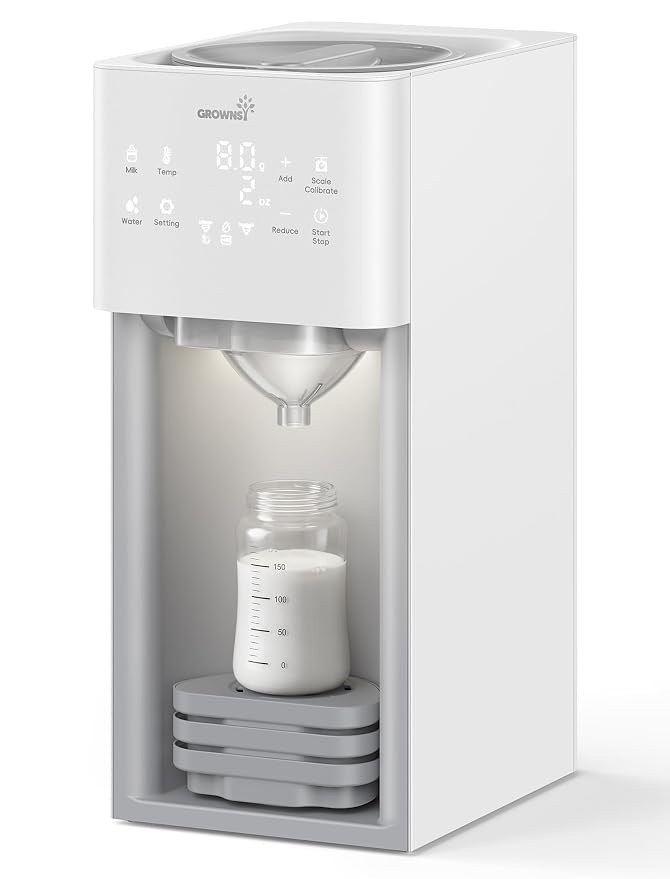
Pre-portioned powder for the night feeds, so you are not counting scoops in the dark. Follow the tin prep steps exactly.
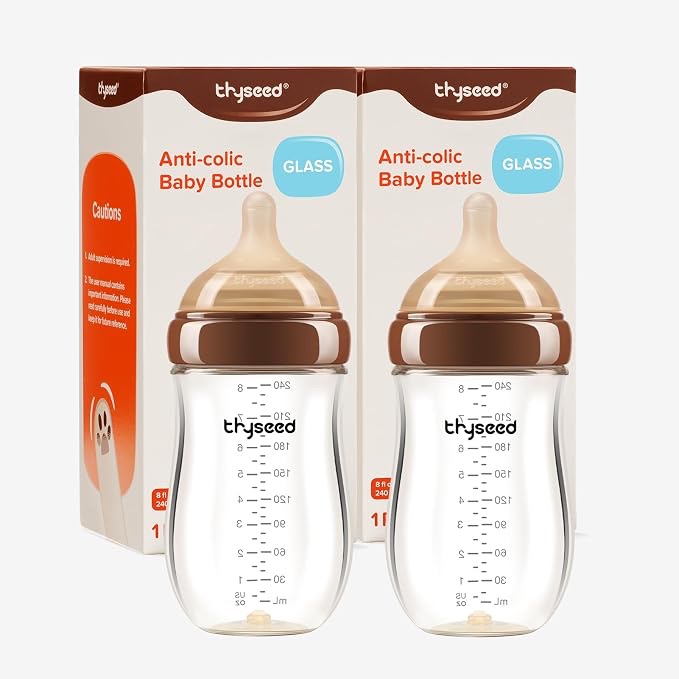
If you are bottle feeding any part of the day, a vented bottle and paced feeding go a long way toward a settled evening.
How and when to introduce formula, and which type suits your baby, is a question for your pediatrician — particularly with prematurity, allergies or weight concerns. This is one parent's experience, not medical advice.