Baby-Led Weaning vs Purées: What We Did (and Why)
We ended up doing a bit of both. Here's how it went.
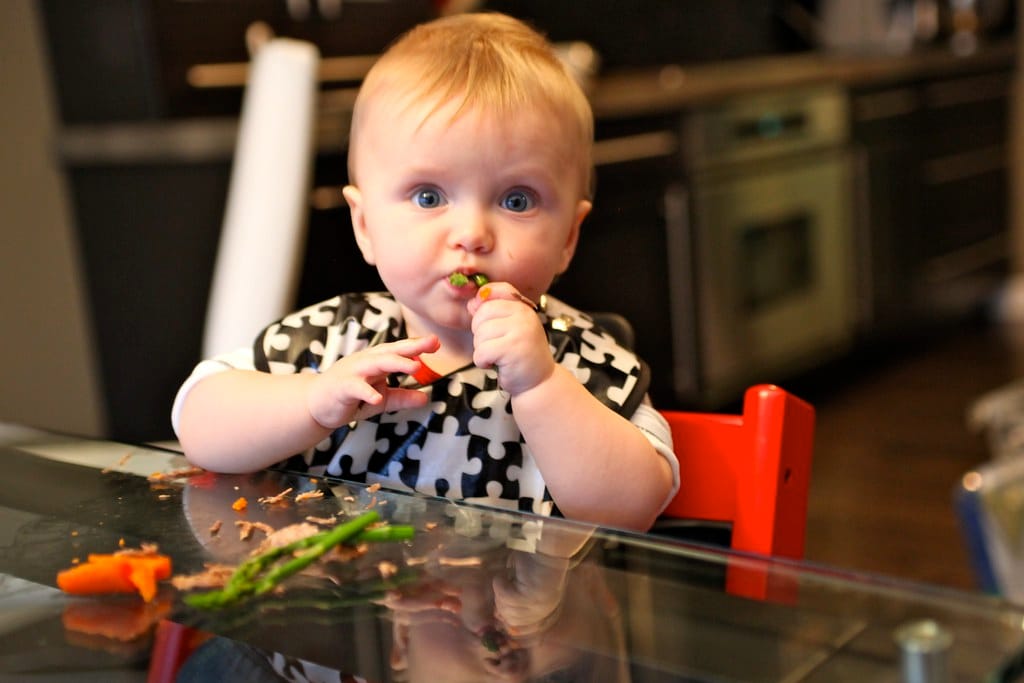
We planned to do baby-led weaning. We ended up doing purées on weekday mornings and whole soft food at weekends, which is not a philosophy, it is a schedule. If you are trying to choose between the two camps, the useful news is that most families land in the middle and the middle works fine.
What the two approaches actually claim
Baby-led weaning means offering whole, soft, graspable pieces and letting the baby feed themselves from the start. It leans on self-regulation — the baby decides how much — and it fits into family meals with no separate cooking. Purées mean spoon-feeding smooth food first, thickening and adding texture over weeks.
The evidence does not show one is better for nutrition or for obesity later. Both are considered safe and appropriate. The one thing that genuinely matters is that the food is safe: soft, appropriately sized, no whole grapes or hard raw chunks, and never in a moving car.
What actually decided it for us
Time and nerves. Purées on a weekday morning when I was alone and tired meant I could control the pace and see what went in. Whole soft food at the weekend when someone else was there to watch meant I could tolerate the gagging, which is the part that undoes most people's intentions.
Gagging is not choking — it is a loud, forward, coughing reflex that brings food back up, and it happens constantly in the first weeks. Choking is silent. Watching a couple of videos of the difference before you start is the single most useful preparation, more so than any gadget.
The hybrid that most people end up with
Offer a loaded spoon they can grab themselves, and a soft piece alongside it. The spoon gets food in; the piece teaches chewing and hand control. Both happen in the same meal, and neither is a compromise.
We also kept a pouch in the bag permanently for the days we were out and had not planned. A pouch is not a moral failure, it is a bag item.
The readiness signs, not the calendar
Around six months, look for: sitting up with minimal support, good head control, reaching for food and bringing it to their mouth, and losing the tongue-thrust reflex that pushes food back out. All four together matters more than the exact date.
Do not start earlier to 'help them sleep' — it does not work, and before around four months their gut and swallow are not ready. Ask your pediatrician if your baby was premature or has any feeding history that might change the timing.
Before the first meal
Sitting up with minimal support and steady head control
Reaching for food and taking it to their mouth deliberately
Tongue-thrust reflex has faded
You have watched a video of gagging versus choking
Someone else is home for the first few meals
High chair set up so you can see their face, not the back of their head
Know infant first aid — a class, not a guess

Get this list as a one-page checklist
Please enter your email address.
Gear that made this easier
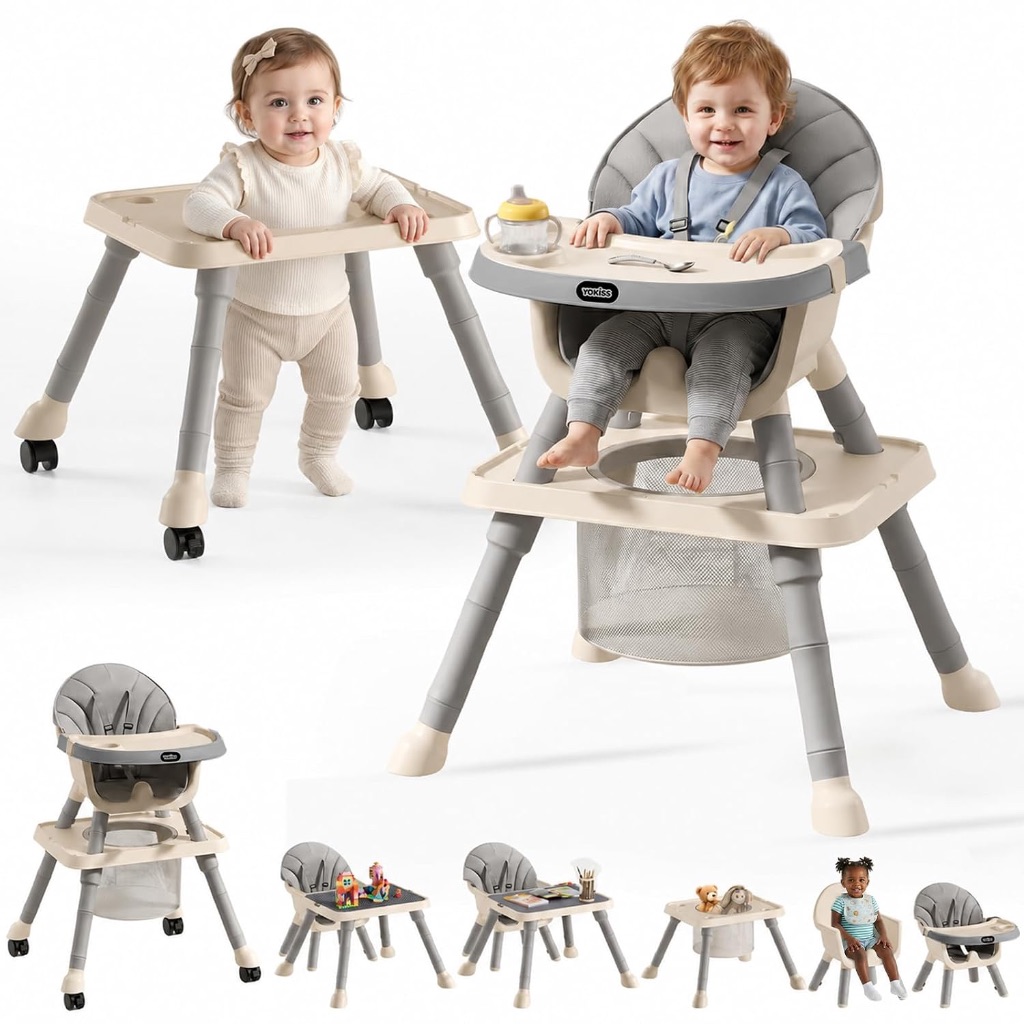
A footrest is the feature that matters. Feet supported means a stable trunk and better swallowing — and a chair that lasts years rather than months.

The only bib that survives baby-led weaning. Ten so you are not doing laundry daily — the sleeves are the whole point.
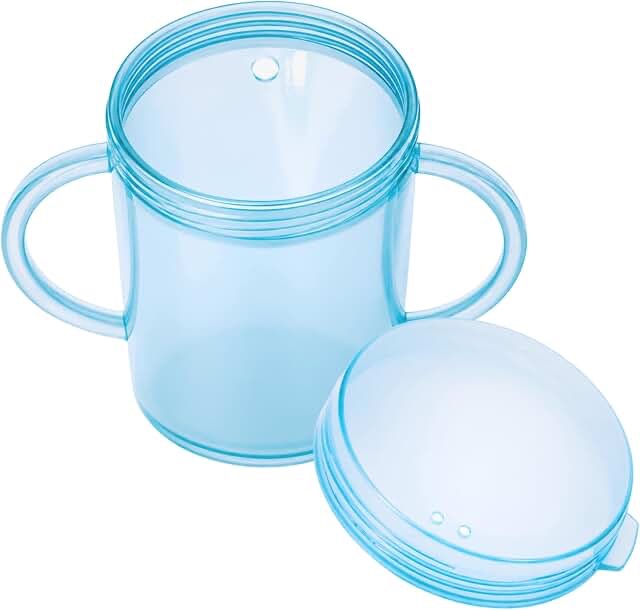
Open cups are the ideal, but a lidded two-handle cup is what actually gets used at six months without a change of clothes.
Safety is the only non-negotiable here
Method is a preference. These are not — they apply whichever approach you choose, and they are the reason to take an infant first aid class before the first meal rather than after.
- Always seated upright in a high chair, never reclined, never in a moving car
- Never leave them alone with food, not even for a moment
- No whole grapes, whole nuts, hard raw apple or carrot, or chunks of sausage
- Soft food should squash easily between your thumb and forefinger
- No honey before twelve months — botulism risk
- No added salt or sugar; their kidneys are not ready for it
- Gagging is noisy and normal; choking is silent — learn the difference and take a class
When to start solids, and any allergen introduction plan, should be agreed with your pediatrician — especially with eczema, a family history of allergy, or prematurity. This is one family's experience, not medical advice.