Pumping Schedules by Age: Newborn to 12 Months
Sample schedules for exclusive pumping, back-to-work and the occasional bottle. Adjust them with your IBCLC.

Pumping schedules are the most over-prescribed and under-explained part of feeding. There is no universal timetable, because the right schedule depends entirely on why you are pumping — building a stash, going back to work, or feeding a baby who cannot nurse. Here are the shapes that worked for each, plus the two rules that matter across all of them.
If you are building a stash for later
Pump once in the morning, after the first feed, when supply is naturally highest. One session a day is enough to build a usable stash over a few weeks. Do not chase volume — a couple of ounces a day adds up faster than you think.
Do not pump after every feed in the early weeks unless a clinician has told you to. It over-signals supply, which is uncomfortable at best and can tip into engorgement or mastitis. And it is exhausting in a way that catches up with you in week three.
If you are going back to work
Match your pump sessions to the feeds you are missing, as closely as your job allows. If your baby feeds at 10am, 1pm and 4pm while you are away, aim for three sessions at roughly those times. Supply follows demand on a roughly 24-hour clock, so protecting the intervals matters more than the exact minutes.
The first week back, aim for frequency over output. Output per session often dips with the stress and the schedule change, then recovers. If you are getting less than you need, add a session rather than lengthening the ones you have — frequency is the lever.
If you are exclusively pumping
The newborn pattern is roughly eight sessions in 24 hours, including at night, for the first weeks. This is brutal, and it is also the window where supply gets set, so it is worth knowing that the night sessions are doing the real work.
Most people can start stretching night intervals once supply is established, typically somewhere after eight to twelve weeks. Do it gradually — drop or stretch one interval at a time over a week or two, and watch total daily output rather than any single session.
The two rules that matter more than the timetable
First: a schedule you cannot keep does not count. A workable plan with six sessions beats an ideal plan with ten that collapses by Thursday. Every exclusive pumper I know who lasted adjusted their target downward in the first month and then held it steady.
Second: flange fit is not a detail. A flange that is too small is uncomfortable and under-extracts; too large pulls too much areola in and does the same. Measure your nipple diameter rather than guessing from the size that came in the box, and size down if you see a lot of areola being drawn in.
Setting your own schedule
Write down why you are pumping — stash, work, or exclusive
Count the feeds you are actually replacing, not the ones you imagine
Block the sessions in your calendar with a name nobody questions
Protect the night sessions while supply is still being established
Measure your flange size rather than using the one in the box
Track total daily output weekly, not per session
Have a spare set of parts so one missed wash does not cost a session

Get this list as a one-page checklist
Please enter your email address.
Gear that made this easier
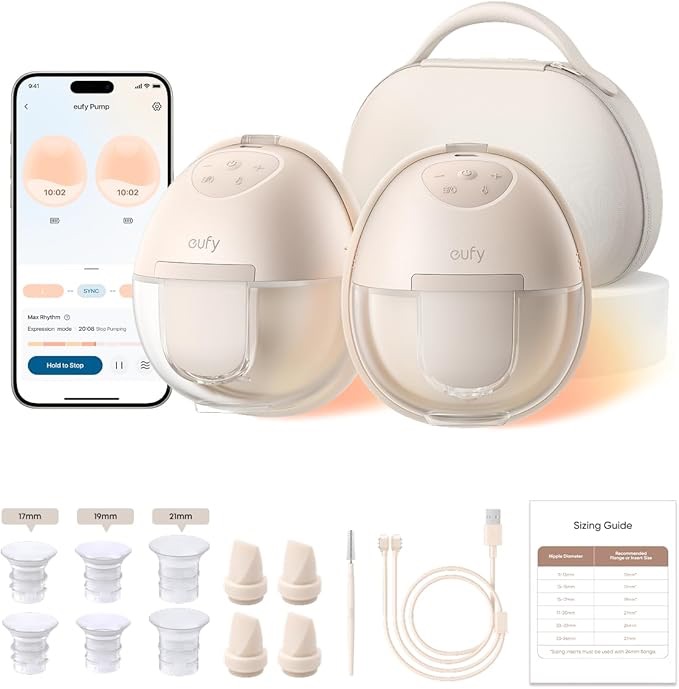
If you are pumping more than occasionally, a double electric is the workhorse. Pumping both sides at once saves half the time and usually gets more milk.
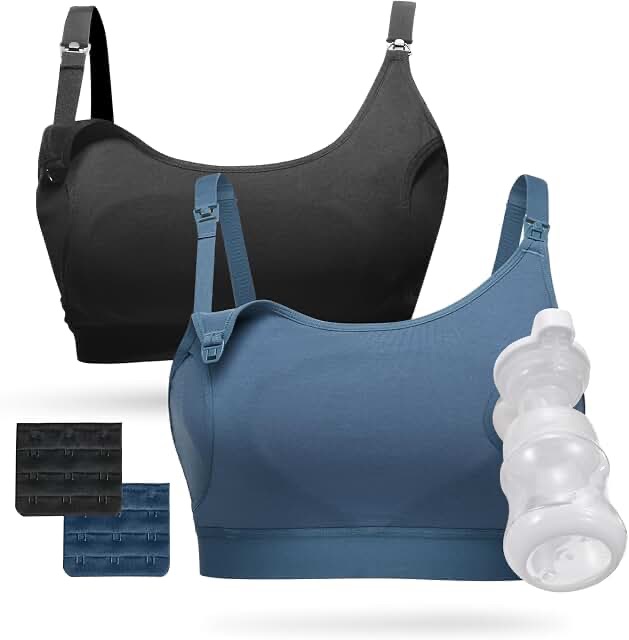
The difference between eight sessions a day being survivable and being the thing that ends it. Also means you can eat during a session.
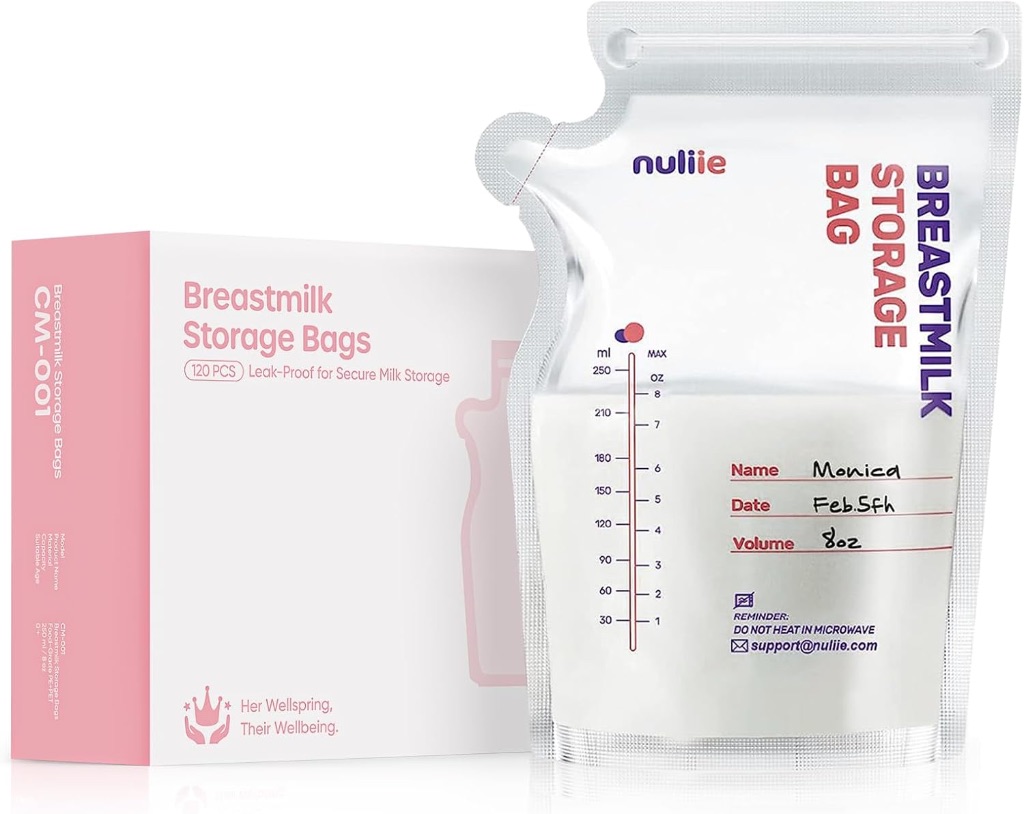
Flat-frozen bags are the only way a stash stays manageable. Date and volume on the flat part before filling.
Schedules are a starting point, not a prescription — adjust them with an IBCLC who knows your baby, especially with prematurity, low supply, or a baby who is not gaining. This is not medical advice.