Baby Fights Sleep? 7 Things That Finally Worked
Not a sleep method. Just the small fixes that bought us longer stretches.

Six weeks in I was keeping a spreadsheet of wake-ups. Not because I'm organised — because I wanted evidence that any of it was working. The uncomfortable thing nobody tells you is that most of the fixes people sell you don't touch the actual problem. These did. They didn't make my daughter a 'good sleeper'. They turned four hour-and-a-half stretches into one five-hour one, which at that stage felt like a holiday.
The wake window was the whole problem
I spent weeks optimising the wrong variable. I had a bedtime, a routine, a playlist. What I didn't have was any idea how long my baby had been awake.
A newborn can usually manage roughly 45–60 minutes of awake time before they need to be back down. By three months it's closer to 75–90. Past that, the tiredness tips into something else and the next sleep gets harder, not easier. An overtired baby doesn't sleep harder — they sleep worse, and they let you know about it.
What worked was counting from the moment she woke, not from the moment I decided bedtime was. And watching her rather than the clock: the first stare, the first yawn, a faint reddening around the eyebrows. That's the window. Once I started catching it, bedtime stopped being a fight and became a nap that just happened to be at night.
Pitch black — not dim
I thought her room was dark. Then I taped a blackout liner over the window, stood in the doorway at midday, and could not see my own hand.
Light suppresses melatonin, and babies are far more sensitive to it than we are. A night light, the strip of hallway under the door, the phone screen you check while feeding — all of it counts. We moved the monitor's blinking LED to face the wall. The difference was not subtle and it cost about eleven pounds.
If you rent or can't fix a liner: a cheap blackout blind plus foil taped behind it does the job. Nobody will compliment it. It works.
White noise that never stops
The lullaby toy that played for twenty minutes and then clicked off was the worst thing we bought. That click woke her every single time — it's the change in sound, not the sound itself.
What you want is boring and continuous: a fan, a static hiss, a shush that doesn't resolve into a tune. Ours runs all night, on a low setting, across the room rather than next to her head. Loud enough to sound like a shower one room away. Not loud enough that you have to raise your voice.
Change one thing a night
For a month I changed three variables every night and learned exactly nothing. New swaddle, earlier bedtime, different noise — if it went well, which one did it? If it went badly, which one was to blame?
Pick one thing. Give it four or five nights before you judge it, because the first night after any change is always a mess and the first night is the one you'll want to draw conclusions from. Write it down, or you'll do what I did and argue with yourself at 3am about whether last Tuesday was better.
The swaddle exit, done all at once
We did this wrong twice. Too early, panicked, went back. Then too late, by which point she could roll, which meant the swaddle had become genuinely unsafe.
The rule that matters is the rolling one: the moment your baby shows any sign of rolling, the swaddle goes, and it goes cold turkey. A zip-up sleep sack with arms out is the softest landing — same snug feeling around the middle, arms free. Expect two or three rough nights. Ours were rough for four and then better than before.
Drowsy but awake, honestly
This is the advice that made me feel like a failure, so I want to be careful with it. The idea — put them down while still a bit awake so they learn to settle themselves — is sound. The way it's usually presented is not: as a pass/fail test of your parenting.
I tried it for a week and got a baby who screamed the moment her back touched the mattress. So I went back to putting her down fast asleep, and that was the right call for us at that age. Around four months, when her sleep cycles changed, drowsy-but-awake suddenly became possible almost by itself. It is not an emergency. It is a skill that arrives on its own schedule.
Make the hour before boring
The last hour used to be our nicest hour — play, songs, wrestling on the rug. Then we'd wonder why she went into the cot like a wound-up spring.
Now it's four steps in the same order, every night, with the lights already low: nappy, sleep sack, book, noise on, down. No play, no screens, no new toys. It is genuinely dull and that is the entire point — the boredom is the signal. She started getting sleepy during the book rather than after forty minutes of shushing.
What to try tonight
Count awake time from the moment they woke, not from when you want bedtime to be
Watch for the first tired sign — stare, yawn, red brows — and act on it
Make the room properly black. Check it at midday with the door shut
Continuous noise, across the room, all night. No timed lullabies
Keep the last hour dull: same four steps, same order, lights low
Change one thing this week, not three, and give it five nights
If they can roll, the swaddle goes tonight — arms out, sleep sack on

Get this list as a one-page checklist
Please enter your email address.
Gear that made this easier
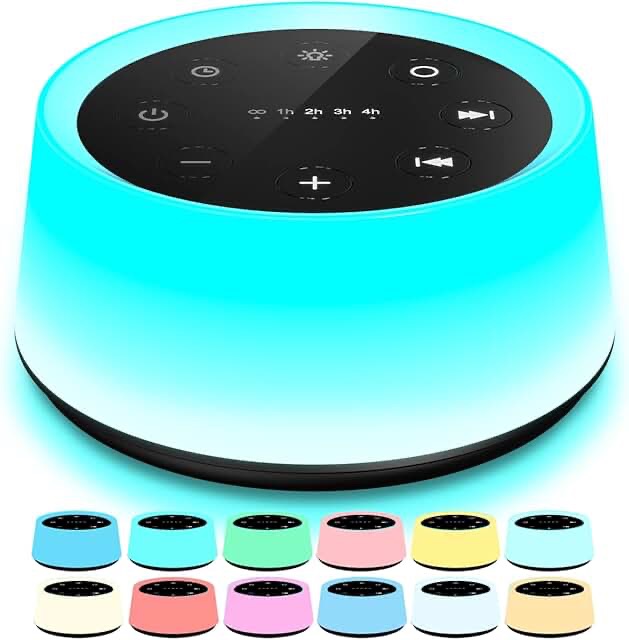
Continuous, no timer that clicks off at the worst moment. Runs all night on the lowest setting.

The softest way to leave the swaddle: snug round the middle, arms free, no loose blanket in the cot.
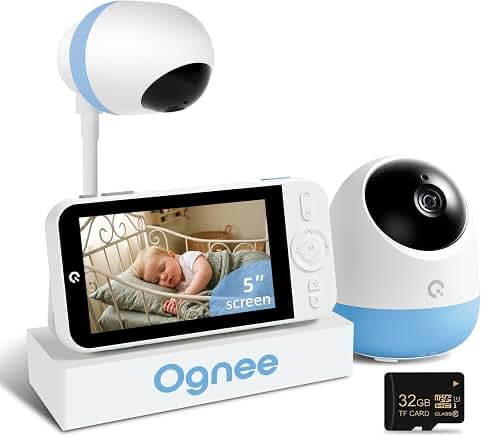
A local screen instead of an app on your phone — one less reason to pick up a bright rectangle at 2am.

Firm and flat is the whole requirement. A soft mattress is a safety problem, not a comfort upgrade.
Safety before sleep
No amount of extra sleep is worth breaking these. They are the reason the numbers look the way they do.
- Alone, on their back, in their own bare sleep space — the three that matter most
- A firm, flat surface. No inclined sleepers, no nests, no pods, no loungers for unsupervised sleep
- Nothing in the cot: no pillows, bumpers, blankets, toys or stuffed animals
- Room-share for the first six to twelve months, but never settle them on a sofa or armchair
- If they fall asleep in a car seat, swing or bouncer, move them out and lay them flat
- White noise low, and across the room rather than beside their head
This is what worked for one baby and it is not medical advice. Sleep changes constantly in the first year and none of it is a reflection of how you parent. If your baby is very hard to rouse, feeding poorly, or you are not coping, talk to your pediatrician — and if the not-coping part is the bigger problem, say that out loud too. The warning signs worth reading are on the postpartum page.