Sleep When the Baby Sleeps? A Realistic Night-Shift Plan
How we split the nights so both of us got one long stretch.

Sleep when the baby sleeps is the least useful advice ever given to a person with laundry, a healing body and a brain that will not switch off. What actually worked for us was treating nights like a staffing rota rather than a test of endurance. Here is the plan that got each of us one stretch of four hours.
The goal is one long stretch, not equal sleep
Chasing equal sleep between two people is a recipe for resentment, because newborns do not distribute evenly. What we aimed for instead was each person getting one uninterrupted block of at least four hours, which is the shortest stretch that reliably does something for how you feel.
That meant one person owned roughly 8pm to 1am and the other owned 1am to 6am. We alternated which shift each of us had every few nights, because the early shift is the one that lets you sleep first and the late shift is the one that lets you sleep in.
Make the handover mechanical
The person going off duty leaves the room entirely — not the sofa in the same room. The point of the block is that it is protected from the ordinary noises and decisions of the baby, and you cannot protect it by staying nearby.
The person on duty has everything in one place: bottles or a pump, nappies, wipes, a change of clothes, water, and a phone charger. Every trip to another room during a night feed is a chance to wake the other person and a chance to wake yourself up enough that you cannot get back down.
The feed that makes it possible
If you are breastfeeding exclusively, the protected block requires either a pumped bottle or a formula bottle for that one feed. This is the practical trade that makes the rota work, and it is worth deciding deliberately rather than in a 3am argument.
If you would rather not introduce a bottle, the alternative is that the off-duty person takes everything except the feed itself: changes the baby, brings them to you, takes them away after, and handles the resettling. You still wake, but you do not get out of bed, which is more of a difference than it sounds.
Protecting the sleep you do get
Blackout curtains in the adult bedroom, white noise in both rooms, and a rule that neither of us discussed anything logistical between 10pm and 6am — it could always wait, and discussing it at 3am reliably cost us both the next hour.
And a hard rule about phones in the night block. The scroll is what turns a four-hour sleep window into three hours of sleep and ninety minutes of dread.
Setting up the rota
Pick two blocks — roughly 8pm–1am and 1am–6am
Alternate which person gets which block every few nights
The off-duty person leaves the room, not just the bed
Everything the on-duty person needs in one place
Decide deliberately what the protected block feed looks like
Blackout curtains and white noise in the adult bedroom
No logistics conversations between 10pm and 6am
No phones during your protected block

Get this list as a one-page checklist
Please enter your email address.
Gear that made this easier
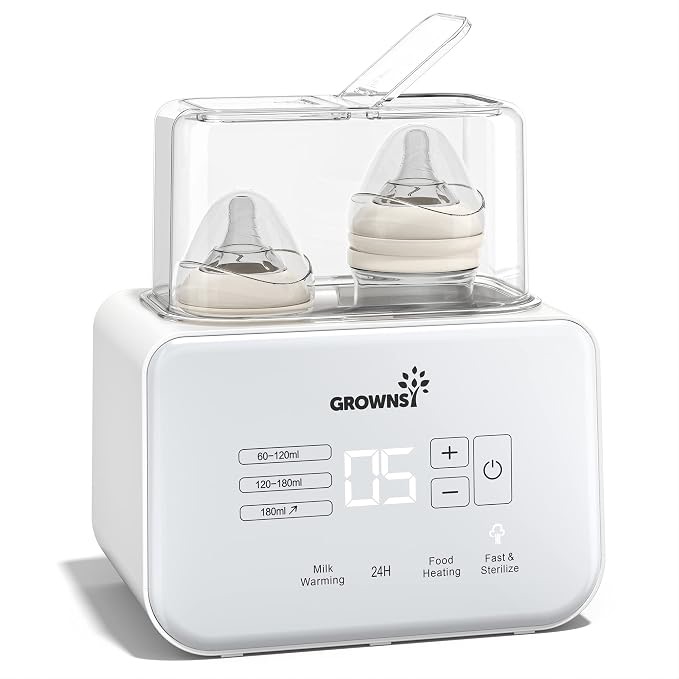
On the night shift, the difference between a two-minute bottle and a ten-minute one is the difference between getting back to sleep and not.
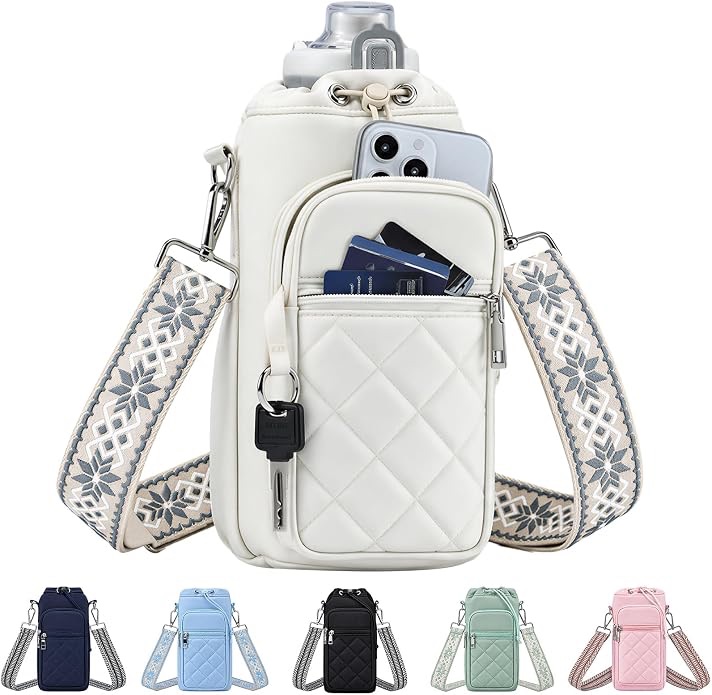
Keeps a prepared bottle at temperature beside the bed, so the on-duty person does not have to go downstairs and fully wake up.
Sleep deprivation is a genuine safety issue — never feed a baby on a sofa or in a bed if there is any chance you will fall asleep, and never co-sleep on a sofa or armchair. If you are so exhausted you cannot stay awake for feeds, that is a reason to get help with the nights rather than to push through.